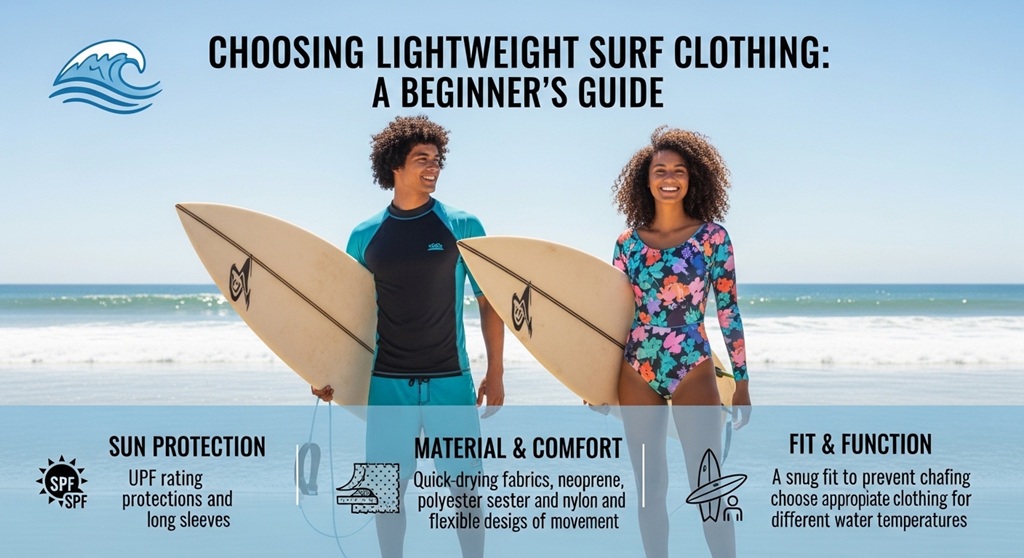
Starting your surfing journey is exciting, but selecting the right gear is critical. The most overlooked aspect? Choosing lightweight surf clothing for beginners. Comfortable, breathable, and suitable attire keeps you confident in the water. In this guide, you’ll discover exactly how to pick surf clothing that helps you focus on catching waves—not battling discomfort.
Snippet Answer: Lightweight surf clothing for beginners should be quick-drying, UV-protective, and flexible. Prioritize rash guards, boardshorts, or swimsuits made from polyester, elastane blends, or recycled fibers. Aim for flat seams, secure fits, and light colors for coolness. Always factor in local water temperature and sun exposure.
What Makes Lightweight Surf Clothing Essential for Beginners?
Lightweight surf clothing is essential for beginners because it enhances comfort, mobility, and protection in and out of the water. It reduces chafing, prevents sunburn, and allows easy movement—a must for learning new techniques safely and confidently.
As a beginner, you might not be used to spending long hours in the ocean. Heavy or ill-fitted gear can quickly become burdensome, causing irritation or overheating. Lightweight options like rash guards, boardshorts, and performance swimsuits wick away moisture and offer great flexibility. These garments shield you from the sun’s harsh rays and rough surfboard surfaces, providing an enjoyable introduction to the sport. Beginning with the right clothing means less distraction, so you can master balance and paddling with ease.
How Should Beginners Assess Surf Clothing Materials?
Beginners should assess surf clothing materials by focusing on quick-drying, breathable, and stretchable fabrics. Look for blends like polyester, nylon, spandex, or eco-friendly recycled fibers for optimal comfort and durability in the surf.
The material makes a big difference in performance and comfort. Here’s why:
- Polyester and Nylon: These synthetic fibers resist water absorption. They dry fast and are lightweight when wet.
- Spandex/Elastane: Adds essential stretch, making movements like paddling and standing up on your board easier.
- Recycled Fabrics: Many top brands now offer garments made from recycled bottles or ocean plastics. These options are as functional as traditional synthetic fibers with added eco benefits.
Always check label tags for fabric breakdown. Avoid cotton—it gets heavy and retains water, causing discomfort and chill.
What Are the Key Types of Lightweight Surf Clothing for Beginners?
Key types of lightweight surf clothing for beginners include rash guards, boardshorts, surf leggings, and supportive swimsuits. Each offers protection, freedom of movement, and breathability suited to different surfing conditions.
Here’s a look at what each item offers:
- Rash Guards: Essential for shielding skin from sunburn and board rash. Available in short or long sleeves for added UV protection.
- Boardshorts: Designed not to ride up or restrict movement, featuring quick-dry tech and secure waistbands.
- Surf Leggings: Ideal for tropical waters or women seeking added coverage, preventing wax rash and abrasions.
- Racerback Swimsuits: For women, secure and sporty suits stay in place during wipeouts and paddling.
Choosing the right combination depends on personal preference and local climate. Layer when needed—rash guards under wetsuits can stop chafing in colder waters.
How Does Surf Clothing Affect Performance and Safety?
Surf clothing directly affects both performance and safety. Properly chosen lightweight gear improves paddling, balance, and flexibility while reducing risks like sunburn, rashes, and fatigue from wet, heavy fabrics.
The right surf attire not only enables better movement but also shields you against environmental hazards:
- Improved Movement: Stretchy, lightweight fabrics let you paddle efficiently and pop up smoothly.
- Reduced Rashes and Chafing: Seams and fit matter. Flatlock seams and fitted cuts minimize skin irritation.
- Sun Protection: High UPF (Ultraviolet Protection Factor) ratings prevent sunburn, a common beginner mistake.
- Less Drag: Properly fitted clothing reduces drag in water, keeping you agile on the board.
Lastly, quick-dry materials mean less post-surf discomfort. All these factors help you stay focused on technique and wave reading—not adjusting your clothing.
What Features Should Beginners Prioritize in Surf Clothing?
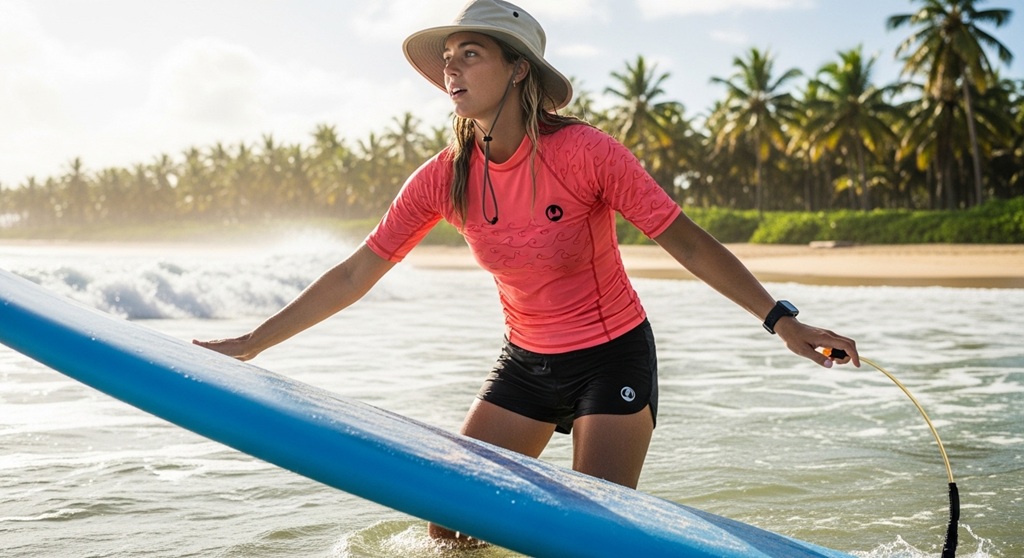
Beginners should prioritize fit, UPF protection, flat seams, adjustable waistbands, and quick-dry properties when selecting lightweight surf clothing. These features deliver comfort, durability, and all-day surf readiness.
As a beginner, prioritize these essentials:
- Fit: Surf clothing should hug the body without being restrictive. A snug fit prevents excess fabric from catching or bunching.
- UPF Protection: Choose items with UPF 50+ to block UV rays and prevent burns.
- Seams: Look for flatlock or seamless designs to reduce irritation from repetitive movements. Avoid bulky or scratchy seams.
- Adjustability: Boardshorts with drawstring or velcro waistbands stay secure during tumbles.
- Quick-dry: Helps keep you comfortable between sessions and reduces post-surf chills.
How Can Beginners Choose Size and Fit for Lightweight Surf Gear?
Beginners should choose size and fit by consulting brand-specific sizing guides, opting for a snug but comfortable fit. Avoid overly loose or tight clothing, which can cause drag or restrict movement in the water.
All brands differ in sizing, so always measure yourself and check size charts. Try on gear if possible—surf shops often allow this. Rash guards, swimsuits, and leggings should feel like a “second skin,” secure even when wet. Boardshorts need to be slightly loose at the hips but have a reliable fastening system to avoid slipping.
Pay special attention to sleeve and leg lengths, especially if you’re tall or have a long torso. If you’re between sizes, most surfers size down for tighter compression (except in swimwear, where comfort is essential). Good fit means less fussing and more focus on learning.
How Does Climate Influence Your Surf Clothing Choices?
Climate greatly influences surf clothing choices. Warm climates call for lighter, UV-blocking attire like rash guards and boardshorts, while cooler regions may require layering or thin neoprene over surf-specific base layers for warmth.
Here’s how to match clothing to conditions:
- Warm Water/Sunny Days: Go for light colors, long-sleeve rash guards, boardshorts, and a surf cap. Prioritize UPF and ventilation.
- Cool Water/Cloudy Days: Consider a thin wetsuit top or neoprene jacket. Add a rash guard underneath for more comfort and rash prevention.
- Hot, Humid Areas: Seek out sweat-wicking fabrics with mesh panels or perforations for airflow.
Proper surf attire for the current climate means avoiding overheating or getting dangerously cold while out on the water. Always factor in wind chill too.
Which Brands Offer the Best Lightweight Surf Clothing for Beginners?
Several trusted brands offer the best lightweight surf clothing for beginners, including O’Neill, Rip Curl, Billabong, Roxy, and Patagonia. These labels balance quality, comfort, and style perfect for new surfers.
Here’s a direct comparison to help you decide:
| Brand | Main Strength | Popular Item | Eco Materials? | Beginner Friendly? |
|---|---|---|---|---|
| O’Neill | Comfort & Durability | Basic Skins Rash Guard | No | Yes |
| Rip Curl | Performance & Style | Dawn Patrol Boardshort | Some | Yes |
| Billabong | Trendy Designs | All Day Layback Shorts | Yes | Yes |
| Roxy (Women) | Fit for Women | Active Surf Leggings | Some | Yes |
| Patagonia | Eco Focus | Yulex Top | Yes | Yes |
All these brands invest in surf-tested, comfortable gear ideal for learning. They also offer extensive beginner sizing and guidance.
What Common Mistakes Should Beginners Avoid When Choosing Surf Clothing?
Beginners should avoid choosing cotton, ignoring UPF ratings, buying the wrong size, and overlooking the garment’s intended surf performance. These mistakes can lead to discomfort, rapid wear, or skin injuries early on.
Common pitfalls include:
- Wearing Cotton: It absorbs and holds water, becoming heavy, irritating, and slow to dry.
- Ignoring Sun Protection: Not all clothing provides sufficient UV shielding; always check for UPF ratings.
- Wrong Fit: Too loose causes drag and chafing; too tight restricts blood flow.
- Skipping Brand Research: Generic or cheap brands may lack attention to surfing-specific movement and durability.
- Neglecting Local Climate: Not matching clothing to water and air temperature quickly ruins sessions.
Avoid these mistakes to ensure each surf session is safe, comfortable, and enjoyable as you learn.
How Should Beginners Care for Their Lightweight Surf Clothing?
Beginners should care for their surf clothing by rinsing gear with fresh water after each use, drying it away from direct sunlight, and avoiding harsh detergents or machine drying. Proper care extends the life and comfort of your surf attire.
Surf gear faces salt, sand, sweat, and sun. To keep your clothing light and functional:
- Always rinse with clean water after every session to remove salt, which degrades fibers.
- Hang dry in a shaded area to prevent fading and elastic breakdown from UV rays.
- Avoid wringing out rash guards or leggings, which can stretch seams.
- Use mild soap, not regular detergent, and skip fabric softeners which can clog the performance weave.
- Never tumble dry; excess heat warps synthetic yarns and reduces stretch.
Following these habits ensures your investment lasts through seasons of surf progression.
What Are the Top Tips for Buying Lightweight Surf Clothing as a Beginner?
Top tips for buying lightweight surf clothing as a beginner include purchasing from reputable surf brands, prioritizing comfort and sun protection, reading reviews, and considering climate and sizing before making a choice.
To sum up:
- Opt for trusted surf brands known for quality.
- Always try on or closely follow sizing charts.
- Choose high UPF and quick-dry fabrics.
- Read feedback from other beginners.
- Pick lighter colors for tropical surfing.
- Plan for layering if surfing in mixed climates.
These steps ensure you’ll be comfortable, confident, and ready to learn in lightweight gear made for new surfers.
Which Colors and Designs Work Best for New Surfers?
Colors and designs that work best for new surfers are light, reflective shades such as blues, whites, and pastels, which keep you cool under the sun. Choose simple patterns that are less likely to show salt and wax stains.
Dark colors attract and hold heat, which may lead to overheating on sunny days. Bright, bold colors also improve visibility in the water, helpful for instructors or friends monitoring you. Avoid overly complex designs or heavy prints, as they may fade quickly in harsh surf conditions.
Conclusion: Why Lightweight Surf Clothing Sets Up Beginners for Success
Choosing the right lightweight surf clothing as a beginner sets the foundation for fun, safety, and progress in the water. Well-chosen garments keep you cool, comfortable, and shielded from sun and rashes. You learn faster, feel better, and focus on soaking up every wave—rather than fussing with uncomfortable clothing.
Don’t let the wrong outfit trip up your surf journey. Invest in quality, climate-appropriate surf wear from the start and you’ll maximize every minute on your board. Ready to upgrade your beach wardrobe? Explore beginner-friendly surf clothing collections or consult in-store surf pros for expert guidance. Your next perfect wave—and perfect surf outfit—awaits!
FAQ: Lightweight Surf Clothing for Beginners
What is the best lightweight surf clothing for tropical climates?
The best options are long-sleeve rash guards with UPF 50+ and quick-dry boardshorts. These block UV rays, dry quickly, and remain comfortable in warm water. Lighter colors also keep you cooler. Brands like Billabong and Rip Curl offer excellent beginner-friendly tropical surf wear.
Can beginners surf in regular swimwear?
Regular swimwear lacks proper protection and secure fit. Beginners often lose swimsuits in wipeouts or get rashes from board friction. Instead, choose surf-specific suits or pair swimwear with a rash guard or surf leggings for added security and comfort.
How often should I replace my surf clothing?
Replace surf clothing when you notice fabric thinning, UV damage, loose seams, or loss of elasticity. For beginners surfing once a week, most quality items last 1-2 seasons with proper care. More frequent surfing or poor maintenance shortens lifespan significantly.
Is it necessary to buy branded surf clothing?
Surf brands engineer clothing specifically for ocean use: UV protection, secure fit, and fast-drying features. Generic brands may not perform as well. While investment is slightly higher, branded gear prevents injuries and lasts longer—important for beginners building confidence.
Are eco-friendly surf clothing options good for beginners?
Yes. Eco-friendly pieces like those from Patagonia or Billabong use recycled polyester or natural fibers for performance equal to traditional options. Beginners benefit without sacrificing quality, plus you support sustainable surf culture from the start.
How do I know if surf clothing fits correctly?
Clothing should fit snugly, almost like a second skin, but without pinching. Raise your arms, squat, and twist to ensure no restriction. Avoid loose items that may billow when wet or tight ones that constrict breathing or movement. Always check the return policy before buying.
Can I use lightweight surf clothing under a wetsuit?
Absolutely. A lightweight rash guard, swimsuit, or surf leggings under a wetsuit prevent chafing and make removing the wetsuit easier. Choose thin, seamless designs for layering so comfort and mobility are maximized in colder conditions.
Read More Also: How Golf Bag Storage Design Affects Your Game
Find out: How does sewer pollution impact the environment?