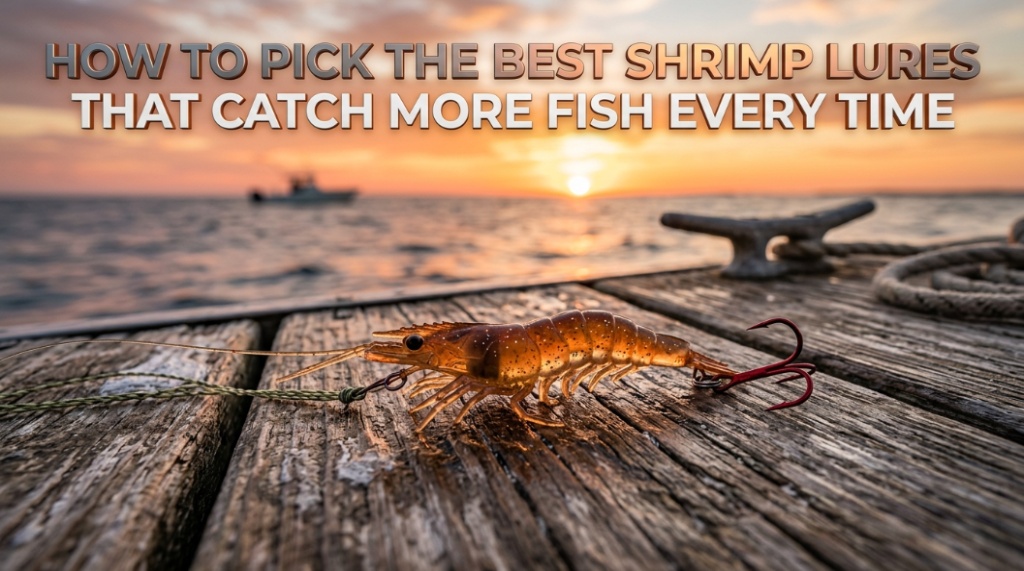
The best shrimp lures for fishing are realistic soft plastics, scented shrimp imitations, and lifelike artificial shrimp with natural movement, matched to your target species, water conditions, and fishing technique.
Why choosing the right shrimp lure matters
If you’re not getting bites, chances are you’re using the wrong lure—not the wrong spot. Many anglers waste hours casting without results, assuming fish just aren’t there. In reality, fish like redfish, snook, and trout are often feeding actively—but ignoring unnatural presentations.
Shrimp are one of the most common prey species in both saltwater and brackish environments. That makes shrimp lures one of the most effective bait categories—if chosen correctly. The problem? Not all shrimp lures are created equal. The wrong size, color, or action can instantly turn fish away.
Shrimp lures are artificial fishing baits designed to imitate the appearance, movement, and scent of real shrimp, triggering predatory strikes from fish.
This guide breaks down exactly how to pick the best shrimp lures for fishing so you can stop guessing and start catching—consistently.
What makes shrimp lures so effective for catching fish?
Shrimp lures work because shrimp are a primary food source for many game fish, making them a natural and highly attractive target.
In coastal ecosystems, shrimp are everywhere. Redfish, speckled trout, flounder, snook, and even tarpon feed heavily on shrimp year-round. Studies of fish stomach contents in estuaries show shrimp make up a large portion of their diet—sometimes over 50% depending on the season.
Unlike flashy lures, shrimp trigger a feeding response rather than a reaction strike. This means fish are more likely to bite even when they’re not aggressively hunting.
- Natural prey profile increases trust
- Subtle movement matches real shrimp behavior
- Effective in both clear and murky water
- Works for multiple species
If your goal is consistency, shrimp lures outperform many other bait types.
How do you choose the right shrimp lure for your target fish?
Choose shrimp lures based on your target species, water depth, current strength, and feeding behavior.
Different fish respond to different presentations. A lure that works for redfish in shallow flats may fail completely for deeper water trout.
Key factors to consider:
- Species: Redfish prefer slow-moving lures, while trout often hit faster retrieves.
- Water depth: Use weighted shrimp for deeper water and unweighted for shallow flats.
- Current: Strong current requires heavier lures to maintain control.
- Time of day: Natural colors work best in daylight; brighter or glow options work better at night.
Matching your lure to conditions increases your strike rate dramatically.
What types of shrimp lures work best?
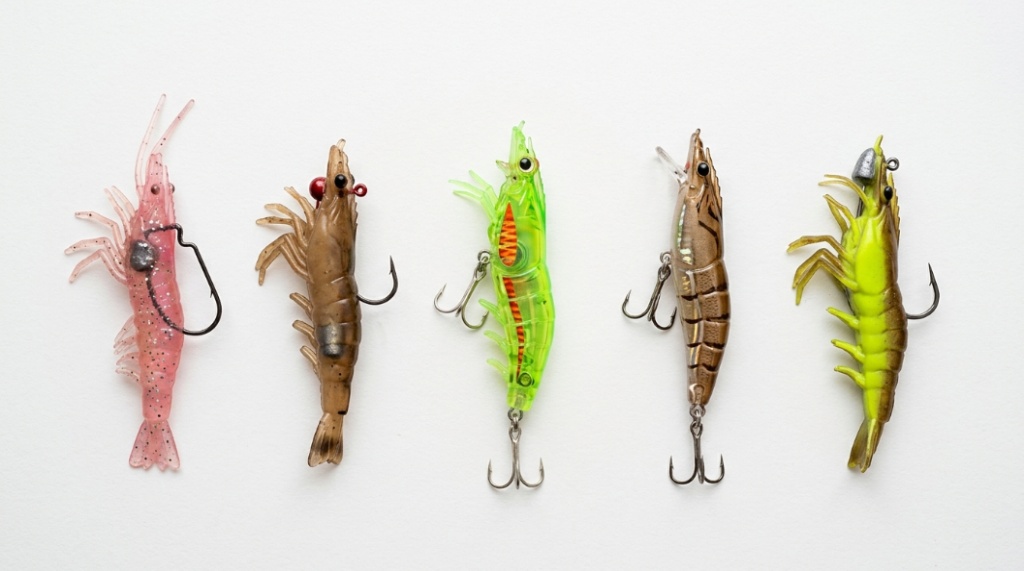
The most effective shrimp lures include soft plastic shrimp, pre-rigged artificial shrimp, and scented shrimp lures.
Each type serves a different purpose depending on your fishing style.
1. Soft plastic shrimp lures
These are the most versatile and widely used.
- Realistic texture and movement
- Can be rigged multiple ways
- Works well in shallow and mid-depth water
2. Pre-rigged shrimp lures
Ready-to-use and beginner-friendly.
- Built-in weight and hook
- Balanced for natural presentation
- Great for quick setups
3. Scented shrimp lures
Designed to mimic smell as well as appearance.
- Attract fish in murky water
- Encourage longer bite hold time
- Ideal for pressured fishing areas
Which shrimp lure colors work best in different water conditions?
Natural colors work best in clear water, while brighter or darker colors perform better in murky or low-light conditions.
Color selection is often overlooked—but it can make or break your results.
| Water Condition | Best Colors | Why It Works |
|---|---|---|
| Clear water | Natural (brown, tan, прозрачent) | Matches real shrimp appearance |
| Murky water | Chartreuse, pink, white | Improves visibility |
| Night fishing | Glow, dark purple, black | Creates silhouette contrast |
| Cloudy weather | Gold, orange, bright accents | Enhances visibility |
When in doubt, start natural and adjust based on visibility and fish response.
What size shrimp lure should you use?
Use smaller shrimp lures (2–3 inches) for finicky fish and larger ones (3–5 inches) for aggressive or bigger species.
Matching lure size to local bait is critical. Fish often ignore lures that don’t match what they’re feeding on.
- 2–3 inches: Best for trout, small redfish, pressured waters
- 3–4 inches: Ideal all-around size
- 4–5 inches: Target larger fish like snook or tarpon
During shrimp hatches, downsizing often leads to more bites.
How important is realism in shrimp lures?
Highly realistic shrimp lures significantly increase strike rates, especially in clear water and heavily fished areas.
Fish in pressured environments become selective. Unrealistic movement or shape can reduce bites.
Look for:
- Segmented bodies for lifelike motion
- Detailed legs and antennae
- Natural sinking action
- Neutral buoyancy or slow fall
Realism matters more when fish have time to inspect your lure.
Do shrimp lures need scent to work better?
Scented shrimp lures improve performance by triggering feeding instincts and increasing bite duration.
Fish rely heavily on smell. Adding scent can turn a missed strike into a hookup.
Benefits of scented lures:
- Attract fish from longer distances
- Hold fish longer after biting
- Increase success in murky water
While not always necessary, scent gives you a measurable advantage—especially in tough conditions.
How should you rig shrimp lures for best results?
Rig shrimp lures based on water depth and structure, using jig heads, weedless hooks, or popping cork setups.
Popular rigging methods:
- Jig head rig: Best for deeper water and strong currents
- Weedless rig: Ideal for grass flats and heavy cover
- Popping cork rig: Great for attracting fish with sound and suspending the lure
The right rig ensures natural presentation and prevents snags.
What retrieval technique works best for shrimp lures?
A slow, twitch-and-pause retrieve that mimics a fleeing shrimp is the most effective technique.
Shrimp move in short bursts followed by pauses. Replicating this motion is key.
- Twitch the rod tip lightly
- Pause for 1–3 seconds
- Repeat in a steady rhythm
Most strikes happen during the pause—not the movement.
Are shrimp lures better than live shrimp?
Shrimp lures can outperform live shrimp because they are reusable, versatile, and allow for more control over presentation.
While live bait is effective, artificial shrimp offer advantages:
- No need for constant bait replacement
- More casting distance
- Better control over depth and movement
- Cost-effective over time
Experienced anglers often prefer lures for consistency and efficiency.
Conclusion: How to consistently choose the right shrimp lure
The best shrimp lures for fishing aren’t about brand—they’re about matching conditions. When you align lure type, size, color, and presentation with the environment and fish behavior, your results improve immediately.
Focus on realism, adjust for water clarity, and use proper retrieval techniques. Small changes—like switching color or slowing your retrieve—can double your catch rate.
If you want consistent success, stop relying on guesswork. Use shrimp lures strategically, and you’ll start catching more fish every time you hit the water.
Next step: Test two different shrimp lures on your next trip—one natural and one bright—and compare results. That’s how you dial in what truly works.
FAQ: Best shrimp lures for fishing
What is the best shrimp lure for beginners?
Pre-rigged shrimp lures are best for beginners because they are easy to use and require no setup.
They provide balanced movement and eliminate guesswork, making them ideal for learning.
Do shrimp lures work in freshwater?
Shrimp lures can work in freshwater, but they are most effective in saltwater or brackish environments.
Some freshwater species may still strike due to movement and appearance.
When is the best time to use shrimp lures?
Shrimp lures work best during feeding times such as early morning, evening, and tidal movement periods.
Fish are more active and responsive during these times.
Can you use shrimp lures year-round?
Yes, shrimp lures can be effective year-round, especially in regions where shrimp are a consistent food source.
Adjust size and color based on seasonal conditions.
Why am I not getting bites with shrimp lures?
Common reasons include wrong color, incorrect size, or unnatural retrieval speed.
Adjust one variable at a time to find what works.
What fish species bite shrimp lures the most?
Redfish, speckled trout, snook, flounder, and tarpon are the most common species attracted to shrimp lures.
📌 Related Reads
👉 Check this guide: choose the best perfume for gifting without guesswork
👉 Don’t miss choose the best surf rod under $100 (2026 guide)