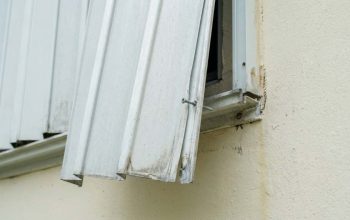
Preparing a home for colder weather helps protect against seasonal damage while keeping heating costs manageable. As temperatures drop, small issues like drafts or clogged gutters can quickly grow into bigger concerns. Many homeowners look for ways to maintain efficiency and stability throughout the winter, often pairing preventive steps with professional services that support HVAC.
Strengthen Exterior Protection and Prevent Heat Loss
A well-maintained exterior acts as the first barrier against winter conditions. Roof checks help identify worn areas that could allow moisture to penetrate during freeze and thaw cycles. Clearing gutters prevents ice buildup that may damage shingles or siding. Sealing gaps around windows and doors with weather stripping reduces drafts and keeps indoor temperatures more stable.
Adding insulation to attics or basements also helps limit heat loss, supporting consistent warmth with less energy use.
Improve Indoor Efficiency and Protect Key Systems
Indoor preparation is just as important. Ventilation checks can improve air movement and reduce excess moisture, lowering the risk of mold while supporting healthier indoor air quality. Heating systems should be serviced before heavy use begins, ensuring filters, ductwork, and components are ready for colder weather.
For those looking for HVAC Williamsport PA, consider reaching out to a specialist such as //qualityairmechanical.com/hvac.
Prepare Plumbing and Water Systems for Freezing Conditions
Pipes exposed to cold temperatures are vulnerable to freezing and bursting. Insulating them, especially in basements, garages, and crawl spaces, can prevent costly repairs. Letting faucets drip slightly during extreme cold and knowing where the main shutoff valve is located adds another layer of protection.