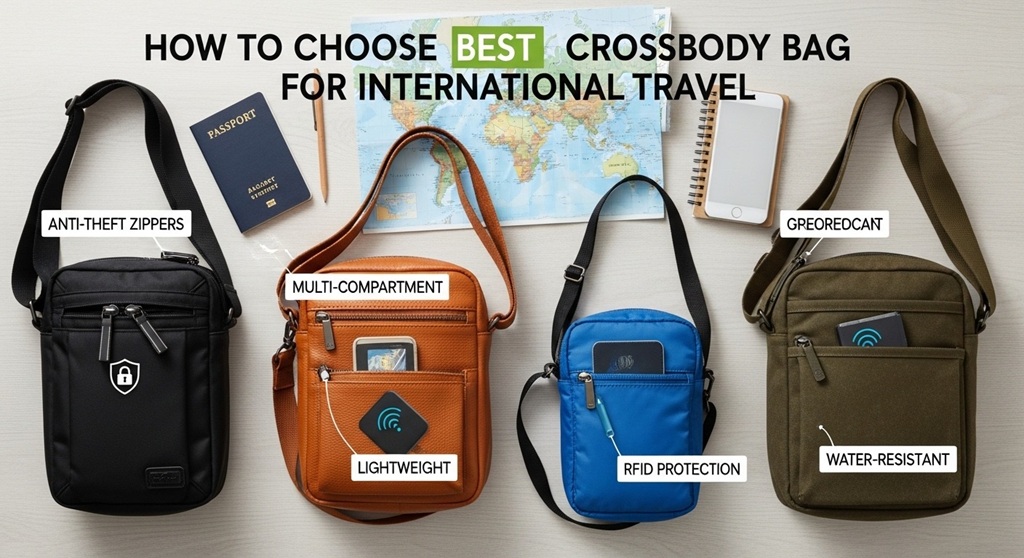
The best crossbody bag for international travel is lightweight, secure, TSA-friendly, and compact enough to carry daily essentials without slowing you down. It should include anti-theft features, RFID protection, organized compartments, and an adjustable strap for comfort during long airport walks.
Airports are crowded. Tourist spots are busy. Pickpocketing is common in major cities. According to data from the European Travel Commission, theft and petty crime remain among the top safety concerns for travelers in cities like Barcelona, Paris, and Rome. Many of these incidents involve unsecured handbags.
The problem is simple. Travelers either carry oversized totes that attract attention or small purses that lack storage and security. The result? Stress, disorganization, and risk.
The solution is choosing a purpose-built crossbody bag designed for travel efficiency. In this guide, you’ll learn how to evaluate features, compare materials, and select a TSA-friendly purse that fits your travel style. If you’re exploring affordable options, review this curated list of vacation handbag essentials to see real examples that balance cost and functionality.
Why Is a Crossbody Bag Better Than Other Travel Bags?
Short answer: A crossbody bag distributes weight evenly, stays close to your body, and reduces theft risk compared to shoulder bags or backpacks.
Security experts recommend keeping valuables in front-facing compartments. A crossbody bag naturally rests across your torso, making it harder for thieves to access without notice.
Security Advantages
- Hands-free design reduces distraction.
- Zippers face inward toward your body.
- Harder to grab compared to loose shoulder bags.
- Less bulk than backpacks in crowded trains or buses.
According to travel insurance case studies, unsecured bags and open-top totes account for a significant percentage of theft claims in tourist-heavy destinations. A secure crossbody reduces that risk.
What Makes a Crossbody Bag TSA-Friendly?
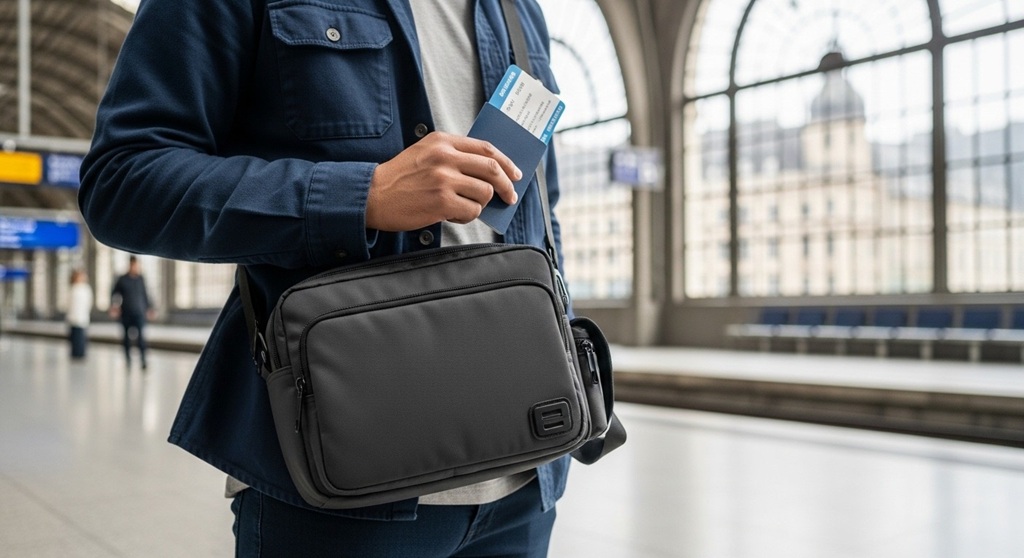
Short answer: A TSA-friendly purse allows quick access to travel documents, fits under airplane seats, and has compartments that simplify airport screening.
While TSA does not certify purses, efficient airport navigation depends on organization. Security lines require you to remove electronics and liquids. If your bag lacks structure, delays happen.
Features of a TSA-Friendly Purse
- Dedicated passport pocket
- Quick-access phone sleeve
- Exterior zip compartment for boarding pass
- Compact size (fits under seat)
- Minimal metal hardware to avoid alarms
A well-organized bag reduces stress at checkpoints and speeds up transitions between gates.
What Size Crossbody Bag Is Best for International Travel?
Short answer: Medium-sized crossbody bags (9–11 inches wide) offer enough space for essentials without becoming heavy or bulky.
Many travelers overpack handbags. The result is shoulder strain and clutter. A travel bag should carry:
- Passport
- Wallet
- Phone
- Small power bank
- Travel documents
- Sunglasses
- Compact sanitizer or wipes
Anything beyond that belongs in your carry-on. Weight matters. Health studies show uneven load distribution can contribute to shoulder and neck discomfort during long walks. Adjustable straps help maintain ergonomic balance.
Which Material Is Best for a Travel Crossbody Bag?
Short answer: Water-resistant nylon or treated leather provides durability, weather resistance, and long-term performance.
Material Comparison
| Material | Pros | Cons |
|---|---|---|
| Nylon | Lightweight, water-resistant, easy to clean | Less formal appearance |
| Leather | Durable, structured, stylish | Heavier, requires maintenance |
| Canvas | Affordable, flexible | Less water resistance |
For international travel, unpredictable weather makes water resistance essential. Rain exposure can damage documents and electronics if your bag lacks protective lining.
What Security Features Should You Look For?
Short answer: Choose lockable zippers, RFID-blocking pockets, slash-resistant straps, and concealed compartments.
Pickpocketing methods include distraction techniques and bag slashing. Slash-resistant straps prevent thieves from cutting and running.
Key Anti-Theft Features
- RFID-blocking card sleeves
- Clip-lock zipper pulls
- Hidden interior pockets
- Crossbody strap with reinforced stitching
Identity theft protection is increasingly relevant. RFID-blocking compartments help shield credit cards from electronic skimming.
How Should a Travel Crossbody Bag Be Organized?
Short answer: Structured compartments prevent clutter and allow fast access to critical items.
Disorganization increases stress during travel transitions. Efficient layout improves speed and confidence.
Ideal Internal Layout
- Main zippered compartment
- Interior zip pocket for valuables
- Slip pocket for phone
- Key leash clip
- Exterior quick-access pocket
Minimalist design reduces time spent searching for items in busy public areas.
Should You Choose Anti-Theft or Fashion First?
Short answer: Security first. Style second.
Many travelers prioritize appearance over function. That often leads to impractical choices.
However, modern designs combine security and aesthetics. Neutral tones like black, beige, or navy reduce attention and match multiple outfits. A structured crossbody can transition from airport to dinner without looking out of place.
How Much Should You Spend on a Travel Crossbody Bag?
Short answer: A reliable international travel crossbody typically ranges from $40 to $150 depending on material and brand.
Higher price does not always equal better quality. Focus on stitching, zipper durability, and strap strength rather than brand labels.
Case reviews from frequent travelers show mid-range bags often outperform designer bags lacking travel-specific features.
What Are the Common Mistakes When Choosing a Crossbody Bag?
Short answer: Overpacking, ignoring strap comfort, choosing oversized styles, and neglecting security features.
Top Travel Bag Mistakes
- Buying heavy leather without testing weight
- No RFID protection for international trips
- Open-top designs
- No internal compartments
- Non-adjustable strap
Test the bag fully packed before departure. Walk with it for 20 minutes. Comfort matters.
How Do You Match a Crossbody Bag to Your Travel Style?
Short answer: Align bag features with your destination type and daily activity level.
- Urban Europe trips: Anti-theft design + neutral color
- Tropical vacations: Water-resistant nylon
- Business travel: Structured leather with document sleeve
- Backpacking trips: Lightweight, minimal compartments
Destination climate and daily walking distance should guide your choice.
Conclusion: How Do You Choose the Right Crossbody Bag?
The right crossbody bag reduces stress, protects valuables, and simplifies international travel. It keeps your passport secure. It speeds up airport screening. It prevents shoulder strain. Most importantly, it allows you to focus on the experience rather than worrying about your belongings.
Choose a TSA-friendly purse with structured compartments, anti-theft features, water-resistant material, and adjustable comfort. Avoid oversized totes and unsecured styles.
If you’re ready to compare practical, affordable options designed for travel, explore this guide to the best vacation handbag essentials and find one that fits your next international trip.
Frequently Asked Questions (FAQs)
Is a crossbody bag safer than a backpack for travel?
Yes. A crossbody bag worn in front of your body is generally safer in crowded environments compared to a backpack worn behind you.
What size purse is allowed on international flights?
Most airlines allow a small personal item that fits under the seat. A medium crossbody typically meets these requirements.
Do I need RFID protection when traveling abroad?
RFID protection adds a layer of digital security against electronic pickpocketing. While not mandatory, it is recommended for international travel.
Can I use a leather crossbody bag for tropical destinations?
Yes, but ensure it is treated for water resistance. Nylon may perform better in humid or rainy climates.
How do I prevent shoulder pain from a travel purse?
Choose adjustable straps, avoid overpacking, and select lightweight materials to maintain balanced weight distribution.
What should always stay in my travel crossbody bag?
Keep passport, ID, phone, wallet, emergency card, and boarding pass in secure compartments at all times.
Related Topic: How to Optimize SAP Processes with the Right Applications
Read Next: How does sewer pollution impact the environment?