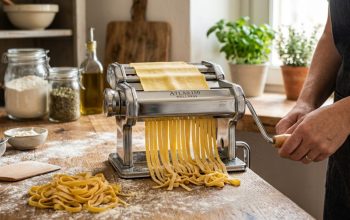
A pasta fork, also called a pasta server, is a kitchen tool designed to lift, drain, and portion long noodles like spaghetti without tearing or dropping them.
Ever tried serving spaghetti with a regular spoon? It slips. It splashes. It makes a mess. That small frustration turns dinner into extra cleanup.
For budget home cooks, every kitchen tool must justify its space. A pasta fork is not a luxury gadget. It solves a real problem: gripping cooked pasta safely and efficiently. Its curved prongs hold noodles together, and the center hole helps drain water quickly.
According to market data from global kitchenware reports, pasta servers consistently rank among the top 20 most purchased specialty utensils in home kitchens. Why? Because pasta is one of the most affordable staple meals worldwide. In the U.S. alone, per capita pasta consumption averages over 20 pounds annually. The demand for simple, effective serving tools follows naturally.
If you cook pasta once a week, a proper pasta fork saves time, reduces waste, and improves presentation. That is real value for money.
Why Not Just Use Tongs or a Spoon Instead?
Short answer: Tongs grip better than spoons, but pasta forks are designed specifically for long noodles and portion control.
Here’s the problem.
You cook spaghetti. You grab metal tongs. They work, but sometimes noodles slip. You switch to a ladle. It lifts too much water. The serving looks uneven.
That is where kitchen tool comparison becomes important.
| Tool | Best For | Limitations |
|---|---|---|
| Pasta Fork | Spaghetti, linguine, fettuccine | Not ideal for small pasta shapes |
| Tongs | General use, salads, grilling | Less precise portion control |
| Ladle | Soups, sauced pasta | Holds excess water |
| Slotted Spoon | Vegetables | Weak grip on noodles |
A pasta fork’s curved teeth create tension around noodles. The center hole often measures a single serving of dry spaghetti. That built-in portion guide is especially helpful for families managing food budgets.
If you’re researching detailed pasta server reviews, you’ll notice most top-rated models focus on grip efficiency, heat resistance, and durability rather than brand prestige.
What Materials Are Best for an Affordable Pasta Server?
Short answer: Stainless steel and heat-resistant nylon offer the best balance of durability and affordability.
Material affects lifespan, safety, and compatibility with cookware.
1. Stainless Steel
- Durable and rust-resistant
- Dishwasher safe
- Long lifespan
- May scratch nonstick cookware
2. Nylon or BPA-Free Plastic
- Safe for nonstick pans
- Heat resistant up to 400°F (varies by brand)
- Affordable
- Less durable over time
3. Silicone-Coated
- Scratch-resistant
- Flexible grip
- Slightly higher cost
In real-world product testing by consumer review platforms, stainless steel pasta servers lasted 2–3 times longer than budget plastic versions under weekly usage. However, for nonstick cookware users, nylon models prevent surface damage and extend pan lifespan.
For budget-conscious kitchens, matching your pasta fork to your cookware is smarter than chasing premium branding.

What Features Should You Look for in a Budget Pasta Fork?
Short answer: Look for sturdy prongs, a comfortable handle, heat resistance, dishwasher safety, and balanced weight.
Here’s where many buyers make mistakes.
They focus only on price. A $3 tool that bends after three uses is not cheap. It’s wasteful.
Key Buying Criteria:
- Prong Design: Rounded edges prevent noodle breakage.
- Center Drain Hole: Reduces excess water when serving.
- Handle Length: 10–13 inches protects hands from steam.
- Grip Texture: Prevents slipping with wet hands.
- Weight Balance: Too light feels flimsy. Too heavy strains wrist.
Many pasta server reviews highlight balance as a top satisfaction factor. Users report better serving control when the weight distribution supports a natural wrist angle.
Budget does not mean basic. It means practical and durable.
How Much Should You Spend on a Pasta Fork?
Short answer: Most quality pasta forks cost between $5 and $15.
Price often reflects material and construction.
- Under $5: Basic plastic models
- $5–$10: Reliable nylon or entry stainless steel
- $10–$15: Reinforced steel or ergonomic handles
According to retail pricing trends, mid-range pasta servers (around $8–$12) receive the highest average rating across e-commerce platforms. The difference between a $7 and $25 model rarely translates into significant performance improvement.
For budget home cooks, value per use matters. If you cook pasta weekly, even a $10 tool used for three years costs less than $0.07 per meal.
Does a Pasta Fork Improve Portion Control?
Short answer: Yes, many pasta forks include a center hole that measures one serving of dry spaghetti.
Overcooking pasta leads to food waste. Undercooking means second batches.
Studies in household food management show that portion control tools reduce food waste by up to 15% in weekly meal prep. While a pasta fork alone is not a complete solution, it supports consistent serving sizes.
That consistency saves money over time.
What Are the Common Mistakes When Buying a Pasta Server?
Short answer: Ignoring heat resistance, buying too short handles, and overlooking dishwasher compatibility.
Let’s apply the PAS framework.
Problem
Cheap pasta forks melt. Metal ones scratch pans. Short handles expose hands to steam.
Agitation
You replace the tool within months. You damage cookware. You spend more than expected.
Solution
Choose material based on cookware. Check heat rating. Confirm length. Read verified pasta server reviews before purchasing.
A small checklist prevents recurring kitchen frustration.
Are Expensive Pasta Servers Worth It?
Short answer: For most home cooks, no. Mid-range models perform just as well.
Premium brands often charge for aesthetics or bundled sets. Independent kitchen tool comparison data shows minimal functional difference in noodle grip strength between mid-tier and high-end stainless steel pasta forks.
If you run a commercial kitchen, durability standards may justify higher investment. For home kitchens, practical design outweighs brand name.
How Do You Maintain and Clean a Pasta Fork?
Short answer: Wash immediately after use, avoid abrasive scrubbers, and store dry.
- Rinse starch residue before it hardens.
- Use mild detergent.
- Avoid steel wool on coated surfaces.
- Dry thoroughly to prevent corrosion.
Proper maintenance extends lifespan by years. Nylon tools exposed to prolonged high heat may warp. Stainless steel models last longer with simple care.
Conclusion: Which Pasta Fork Should You Choose?
A pasta fork is a small investment with measurable benefits. It improves serving control. It reduces waste. It protects cookware. For budget home cooks, those gains matter.
Choose stainless steel if durability is your priority. Choose nylon if you use nonstick pans. Spend between $8 and $12 for the best balance of quality and affordability.
Before buying, compare specifications, check verified user feedback, and read detailed pasta server reviews to make an informed decision.
Ready to upgrade your kitchen without overspending? Start with the right pasta fork today and make every pasta night easier.
Frequently Asked Questions (FAQ)
1. What is the hole in a pasta fork for?
The hole measures approximately one serving of dry spaghetti and allows water to drain while lifting pasta.
2. Can I use a pasta fork for other foods?
Yes. It works well for boiled vegetables and long noodles but is less effective for small pasta shapes like penne.
3. Is stainless steel better than plastic?
Stainless steel lasts longer. Plastic or nylon is safer for nonstick cookware.
4. Are pasta forks dishwasher safe?
Most modern pasta servers are dishwasher safe, but always confirm manufacturer guidelines.
5. How long should a pasta fork last?
With regular weekly use, a quality stainless steel model can last 3–5 years or longer.
6. Do professional chefs use pasta forks?
Yes. Many chefs use them for plating long noodles efficiently.
Don’t Miss These Articles: How Print Marketing Can Drive Sales
Up Next: How to Choose the Best Crossbody Bag for International Travel