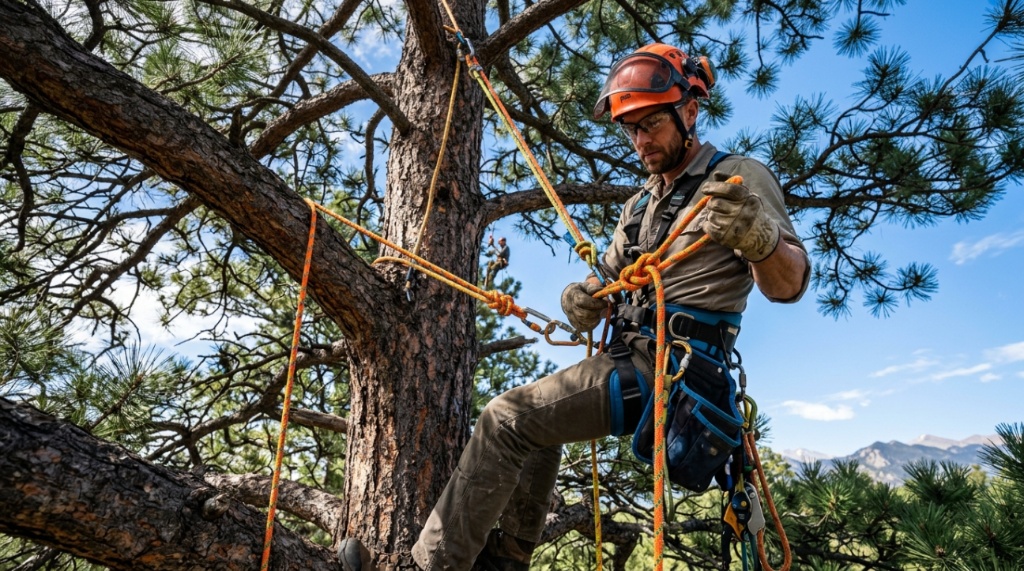
Colorado’s rugged landscape presents a unique challenge for tree care professionals and homeowners alike. From the brittle cold of a Front Range winter to the intense UV radiation at 8,000 feet elevation, your climbing line faces punishing conditions that would degrade lesser ropes in a single season. If you’ve ever watched a brand-new rope stiffen into a frozen coil on a January morning or felt it fray against rough Ponderosa bark, you know the frustration. Selecting a durable arborist rope for Colorado isn’t just about buying the most expensive option; it’s about understanding how altitude, climate, and tree species interact with fiber technology to determine your safety and your budget.
This guide cuts through the marketing jargon to give you a practical, field-tested approach for choosing a rope that can withstand Colorado’s extreme environment. I’ll break down the critical factors—from fiber types to diameter and construction—so you can make an informed decision that prioritizes strength, longevity, and affordability. By the end, you will know exactly which specifications to look for and why they matter in this specific region.
What Makes Colorado Unique for Arborist Rope?
Colorado is not like climbing in the Pacific Northwest or the humid Southeast. The combination of high altitude, intense solar radiation, and dramatic temperature swings directly impacts rope longevity. A rope that performs well in Oregon may fail prematurely here.
The Impact of Altitude and UV Radiation
At elevations above 5,000 feet, UV radiation is significantly stronger than at sea level. This is because the thinner atmosphere filters less of the sun’s harmful rays. Over time, UV exposure breaks down the polymer chains in nylon and polyester, causing the rope’s outer sheath to become fuzzy, weak, and brittle. A standard rope used recreationally might last years, but a working rope in Boulder or Aspen could see its lifespan cut in half. Look for ropes with a tight, woven sheath that resists abrasion and UV degradation.
Temperature Extremes and Ice Build-Up
Colorado temperatures can swing 40 degrees in a single day. In winter, ropes can freeze, becoming stiff and losing their flexibility, which makes them difficult to knot and dangerous to handle. Conversely, summer heat can soften certain fibers. More critically, ice and snow accumulation on the rope adds weight and can compromise your tie-in points. A durable rope for this region must retain its suppleness in cold conditions, ideally using a low-stretch fiber core that doesn’t absorb water.
Tree Species and Abrasion Hazards
We climb a variety of trees here, from the rough, thick bark of Ponderosa Pines to the smooth, hard wood of Maples and the fibrous, twisting branches of Cottonwoods. The constant friction against these materials, combined with dirt and grit that acts like sandpaper, demands a rope with exceptional abrasion resistance. A rope with a braided outer jacket is vastly superior to a twisted one for handling these abrasive surfaces.
How Does Rope Construction Affect Durability?
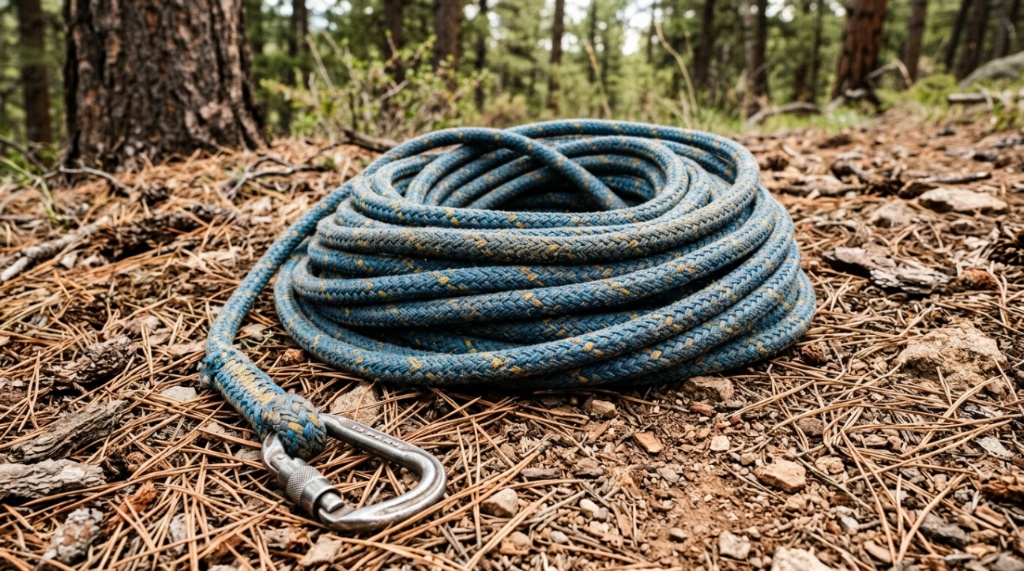
The construction of the rope—its core, sheath, and how they are woven—is the single most important factor in determining its service life and performance. You cannot judge a rope by its color alone; you must understand its anatomy.
Core vs. Sheath: The Anatomy of Strength
Modern arborist ropes are almost exclusively kernmantle, meaning they have an inner core (kern) that carries the load and an outer braided sheath (mantle) that protects the core. The core is typically made of nylon or polyester fibers, while the sheath can be a blend. The ratio of core to sheath mass is crucial. A durable rope will have a thick, dense sheath that protects the load-bearing core from damage.
Low-Stretch vs. Static Ropes
For climbing, you generally want a low-stretch rope (often called “semi-static”). High-elongation ropes (dynamic) absorb too much energy, making them bouncy and inefficient for ascending. A low-stretch rope with a polyester core offers better control and longevity because polyester is more resistant to UV and abrasion than nylon, although it is slightly heavier and stiffer.
The Role of Sheath Tightness
Run your fingers along the rope. A durable rope has a tight, firm sheath that doesn’t slide around easily on the core. If the sheath is loose, it can slip, bunch up, and expose the core to wear. This is a common failure point on cheaper ropes. A tight, well-braided sheath is your first defense against the harsh Colorado elements.
| Rope Construction | Core Fiber | Sheath Fiber | Best For (Colorado) |
|---|---|---|---|
| Low-Stretch (Semi-Static) | Nylon or Polyester | Polyester blend | General climbing, SRT (Single Rope Technique) |
| High-Stretch (Dynamic) | Nylon | Nylon | Not recommended for regular arborist work |
| Hybrid (Core-dependent) | Polyester core | High-tensile nylon | Best for UV resistance and longevity |
What Are the Best Rope Diameters for Colorado Work?
Diameter impacts not only how the rope feels in your hands but also how it interacts with your equipment. A rope that is too thick may not fit through your friction hitch, while one that is too thin can be hard on your hands and less durable.
Comparing 11.5mm vs. 12.5mm Ropes
The most common diameters for arborist climbing are 11.5mm and 12.5mm. The 11.5mm rope is a versatile standard, balancing weight, strength, and compatibility with most hardware. However, for the rugged bark found on Colorado’s high-altitude trees, many climbers prefer a 12.5mm rope. The larger diameter offers a thicker sheath, which translates directly to longer abrasion resistance. It’s heavier, but the durability payoff in harsh conditions is significant.
How Diameter Interacts with Your Hardware
Before you choose, check your climbing carabiners, friction savers, and mechanical hitches. A rope that is too large might bind in a Zigzag or a pulley, while a rope that is too small might not provide enough friction for a proper MRT (Moving Rope Technique) setup. Always match your rope diameter to your device’s specifications.
Popular Rope Types on the Market
- Yale Blue Tongue: A 12.5mm rope known for its stiff feel and extreme durability, great for aggressive climbing.
- Yale XTC Plus: A 12.5mm line that offers an excellent balance of strength and manageable stiffness, ideal for both MRT and SRT.
- Samson Arbor-Plex: A 11.5mm rope with a tight braid, good for those who prefer a lighter line but still want solid abrasion resistance.
- Poison Ivy: A 11.5mm option praised for its soft hand and good grip, though it may wear slightly faster than stiffer lines.
Which Rope Fiber Is Most Durable?
The fiber type determines the rope’s physical limits. While nylon is the classic choice, polyester is becoming the go-to for longevity in harsh climates. Understanding the difference is key to making a smart purchase.
Nylon: The Flexible Standard
Nylon is tough, has great shock absorption, and is relatively inexpensive. However, it absorbs water (up to 10% of its weight), which can make it freeze stiff in a Colorado winter, and it loses 10-15% of its strength when wet. It is also more susceptible to UV degradation than polyester.
Polyester: The UV and Abrasion Champion
Polyester fibers are the superior choice for durability in sunny, dry climates like Colorado. They resist UV damage much better, won’t absorb water, and have excellent abrasion resistance. The trade-off is a stiffer feel and slightly more weight, but for a working rope, this is a worthy trade for extended lifespan.
Blending Fibers and High-Tensile Technology
Modern ropes like the Yale XTC use a blend of polyester and nylon in the sheath to optimize flexibility and durability, while the core is often low-stretch polyester. This hybrid approach gives you the best of both worlds: the hand-feel of nylon with the lifespan of polyester. This is the technology you should be looking for if you want durable arborist rope for Colorado work.
How Do You Test Rope Durability for Local Conditions?
You don’t need lab equipment to gauge how a rope might hold up. Field testing is the most practical way to determine if a rope suits your climbing style and the local trees. Here’s a simple method to assess a potential purchase before committing to it.
The Visual Inspection
Uncoil the rope and look for a uniform braid. Check for “soft spots” or “hard spots.” A consistent diameter along the entire length is a good sign. If the sheath appears fluffy or has loose strands right out of the box, it will likely degrade quickly against Colorado bark.
The Bending and Knot Test
Tie a Blake’s hitch or a Prusik knot and test it on a static line. A good rope should accept the knot smoothly and hold it cleanly. The rope should be supple enough to tie easily in the cold but firm enough to prevent the hitch from binding under load. If the sheath slips off the core during bending, that’s a major red flag.
The Abrasion Check
Rub the rope vigorously against a rough surface like a brick or coarse bark (wear gloves). A durable rope will show minimal fuzzing. If it starts to pill immediately, the sheath is too soft and will not last long in the mountains,Before scaling tall trunks with your climbing gear, clearing away low brush or cutting ground-level timber requires efficient tools. Using a lightweight battery chainsaw makes yard work easier than ever while keeping your landing zone clean and safe.
What Is the Lifespan of an Arborist Rope in Colorado?
There is no universal “expiration date” for climbing ropes. In Colorado’s unique environment, you must be more vigilant. The average working lifespan for a rope in this region is 1 to 2 years with regular use, but this can vary wildly based on usage frequency.
Signs of Aging and Degradation
You should immediately retire a rope if you notice: the sheath is abraded down to the core, the rope feels “gummy” or excessively stiff, there are crush or impact damage spots, or you see discoloration from chemical exposure. UV damage often shows as a fading or chalking of the sheath color.
Establishing a Replacement Schedule
Track your rope’s “service days.” As a rule of thumb, a rope that is used daily should be inspected monthly and retired after 12-18 months max. For part-time users, a 2-year time limit from the date of first use is a safe standard in Colorado. Always follow the manufacturer’s recommendations, but apply a stricter replacement schedule if you see physical signs of wear.
Storage and Care to Extend Rope Life
Never store your rope in a hot car or direct sunlight. The UV and heat will bake the fibers. Keep it in a breathable rope bag in a cool, dry place. If your rope gets dirty, wash it with mild soap (like a rope-specific wash) and cold water. Air dry it in the shade—never use a dryer. Proper storage is your cheapest way to maximize durability.
What Is the Difference Between Splices and Knots for Durability?
How you terminate the ends of your rope—whether you use knots or splices—significantly impacts the usable length and the structural integrity of the load-bearing fibers. A knot reduces the rope’s breaking strength by up to 50% because of the sharp bends.
Why Splices Are Superior for Longevity
A properly done eye splice retains close to 100% of the rope’s original strength. It creates a smooth, permanent loop for your carabiner, reducing wear on the fibers. Splices do not slip and are less bulky, making them ideal for the end of your climbing line. However, they must be done by a professional with the correct tools.
The Efficiency of the Knotted System
While knots like the bowline or figure-eight are easy to tie and untie, they create stress points. If you use a knot, know that the rope will eventually fatigue and break at that spot. For a top tie-in point or a long-term basal tie, a splice is a safer and more durable choice.
- Strength: Splice (100%) vs. Knot (50-60%)
- Bulk: Splice (Low profile) vs. Knot (Bulky)
- Flexibility: Splice (Rigid at splice) vs. Knot (Adjustable)
Can You Afford a Durable Rope Without Breaking the Bank?
Many climbers assume “high durability” means “high price.” While you do need to pay for quality, there are ways to get a top-tier rope without draining your savings. The key is to find value, not just the lowest price tag.
Balancing Initial Cost vs. Cost per Year
A $300 rope that lasts 2 years is actually cheaper per year than a $200 rope that lasts 1 year. When shopping, calculate the “cost per service year.” This is the true measure of value. Buying a cheaper rope that degrades fast in Colorado sun will often cost you more in the long run due to frequent replacement.
Bulk Buying and Bulk Spools
If you are a professional or have a large property with many trees, consider buying rope by the spool or in bulk cuts. This often reduces the price per foot significantly. You can then make your own eye splices or use a whoopie sling construction to save money on terminated ends.
Look for Sales and Kit Deals
Sometimes, buying a kit that includes the rope and a friction saver offers better value than buying pieces separately. Or look for closeout colors. The color of the rope doesn’t change its durability—only the dye used. If you are flexible on aesthetics, you can snag a great deal on a high-performance rope.
How Do You Inspect and Maintain Your Rope Properly?
Regular inspection is a non-negotiable safety practice. In Colorado, the harsh sun and dry air can cause hidden damage that isn’t visible at a glance. You need a systematic approach to ensure your rope is always in top condition.
The “Hands-On” Feel Test
Run the rope through your hands slowly from one end to the other. You are feeling for inconsistencies: lumps, soft spots, or gritty textures that suggest dirt has compromised the sheath. This simple test can literally save your life.
What to Look For in the Field
During the workday, check your rope against the trunk as you descend. Look for transfer of tree sap or dirt. While sap is harmless, the grit it carries will act as an abrasive compound. Clean the rope at the end of the day if you notice any significant debris.
Professional Inspection Details
Once a month, inspect the rope in a well-lit area. Undo the eye splice and check the core for dirt ingress. If the core is dirty or has a strong smell, the rope needs a deep cleaning. Also, check the splice cover. If the cover is worn down to the point where you can see the core through the weave, it’s time to retire the rope.
Is a “Bundle” or “Tensile Strength” Rating Important?
When comparing ropes, you will see technical specs like tensile strength, elongation, and impact force. While numbers are helpful, they aren’t the only measure of durability. Understanding what these numbers mean helps you make a fair comparison.
Understanding Tensile Strength in the Real World
Tensile strength is the amount of force the rope can withstand before breaking in a straight pull. For arborist ropes, this rating is usually between 5,000 and 8,000 pounds. However, this number drops when the rope is knotted, worn, or subjected to dynamic shock loads. A rope with high tensile strength is good, but a rope with high abrasion resistance is often more important for Colorado’s rough bark.
The Myth of the “Strongest” Rope
Don’t be swayed by advertising that boasts “the strongest rope on the market.” A rope can have immense breaking strength but a loose sheath that slides off, rendering it useless after a few climbs. Focus on the construction quality and the fiber content.
How to Match Ratings to Your Needs
Base your choice on the type of climbing you do. For SRT (Stationary Rope Technique), where the rope is static, you need a low-elongation rope. Check the elongation spec (should be under 5%). For MRT, you need a rope that handles well in hitches. Don’t just look at the minimum breaking strength (MBS)—look at the durability of the jacket.
What Are the Top Recommendations for Colorado Climbers?
After analyzing the conditions and technology, a few ropes stand out as consistently reliable choices for the Centennial State. These are the ropes I see holding up best in the field.
Top Pick: Yale XTC Plus (12.5mm)
This is my go-to recommendation. The XTC Plus uses a 24-strand braided polyester sheath over a low-stretch core. It handles beautifully, knots hold tight, and the stiffness (which some dislike) is a huge advantage in our windy, cold conditions. It repels water and laughs at UV rays.
The “Stiff” Contender: Yale Blue Tongue (12.5mm)
If you are using mechanical systems like the ART Zigzag or a Uni, the Blue Tongue is fantastic. It is stiff, requires a bit of breaking in, but then becomes incredibly smooth and fast. It has a fantastic strength-to-weight ratio, but it’s not the best for traditional hitch cord climbers due to its stiffness.
The Budget-Friendly Durability Pick: Tachyon Ash (11.5mm)
The Ash is a 11.5mm line that features a tight, durable sheath. It’s significantly cheaper than the Yale lines but still offers excellent UV and abrasion resistance. It is a bit softer, which is great for hand comfort, but you might replace it sooner than the XTC if you are climbing weekly in abrasive bark.
When Should You Replace a Rope That Looks Fine?
This is the hardest question for any arborist. Ropes wear out from the inside out, often before showing exterior signs. Basing your decision solely on visual inspection can be dangerous. You must rely on documented usage time and physical events.
Major Events That Require Immediate Retirement
If you have a bad cut, a shock load (like a fall), or any chemical contamination (battery acid, fuel), retire the rope immediately regardless of how it looks. The core may be compromised even if the sheath is perfect.
Time Limits Even for Light Use
Even if your rope only sees 10 climbs a year, an unused rope will degrade due to UV and the environment. As a strict rule, retire any climbing rope 5 years from its date of manufacture, regardless of use. For working ropes in Colorado, aim for a 2-year hard cap if you climb weekly.
Documenting Your Rope Log
Keep a gear log book. Write down the date of purchase, the date of first use, and any events it was involved in. This removes the guesswork. It makes you a more professional climber and ensures you are always working on a safe piece of gear.
Frequently Asked Questions
What is the best rope for tree climbing in cold weather?
Polyester-based ropes are better for cold weather as they do not absorb water. This prevents the rope from freezing stiff and keeps it pliable. Look for ropes like the Yale XTC Plus, which maintain their flexibility in sub-zero temperatures.
How often should I wash my arborist rope in Colorado?
Wash your rope if it feels gritty or dirty, particularly after climbing in dusty areas. Rinsing with cold water and a mild rope cleaner every 2-3 months is sufficient for most Colorado climates. Avoid using heavy detergents or fabric softeners, as they can degrade the fibers.
Can I use a dynamic rope for tree climbing instead of a static one?
No. Dynamic ropes stretch too much, making them inefficient and dangerous for climbing because they are too bouncy and make controlling your ascent and descent difficult. Always use a low-stretch arborist rope for SRT or MRT climbing.
Is a 12.5mm rope too heavy for recreational climbing?
For recreational use, an 11.5mm rope is often preferred due to its lighter weight. However, if you plan to climb in areas with rough bark or want a longer lifespan, the extra weight of a 12.5mm rope is a fair trade-off for increased durability.
What does “fuzz” on my rope mean?
Fuzz indicates that the outer sheath is wearing down. Minor fuzz is normal as the rope breaks in. However, heavy fuzzing, where the sheath looks like a shaggy dog, means you have severe abrasion damage and should retire the rope.
How do I know if my rope has UV damage?
Signs of UV damage include a faded color, a dry or chalky feel to the outside of the sheath, and a slight hardening. If the rope becomes squeaky or stiff when bending, retire it, as the internal fibers are breaking down.
Can I splice the rope myself to save money?
Yes, you can learn to splice, but it requires practice and the correct tools. A poor splice is a catastrophic failure point. If you are not confident, have it professionally spliced by a certified rope shop, as safety is paramount.
Choosing a durable rope for Colorado ultimately comes down to respecting the environment as much as you respect the tree. The sun is intense, the bark is abrasive, and the temperatures are unforgiving. By prioritizing ropes with a polyester core and a tight, thick sheath—and by committing to a strict inspection and maintenance schedule—you ensure that your next climb is not just productive, but safe. Don’t wait until you see a fraying thread to think about your gear; make the call today to upgrade your line and enhance your confidence in the canopy.
Now that you know exactly what to look for, consider checking out some specific gear bundles that can save you money while giving you that top-tier performance you need to tackle the Rockies.