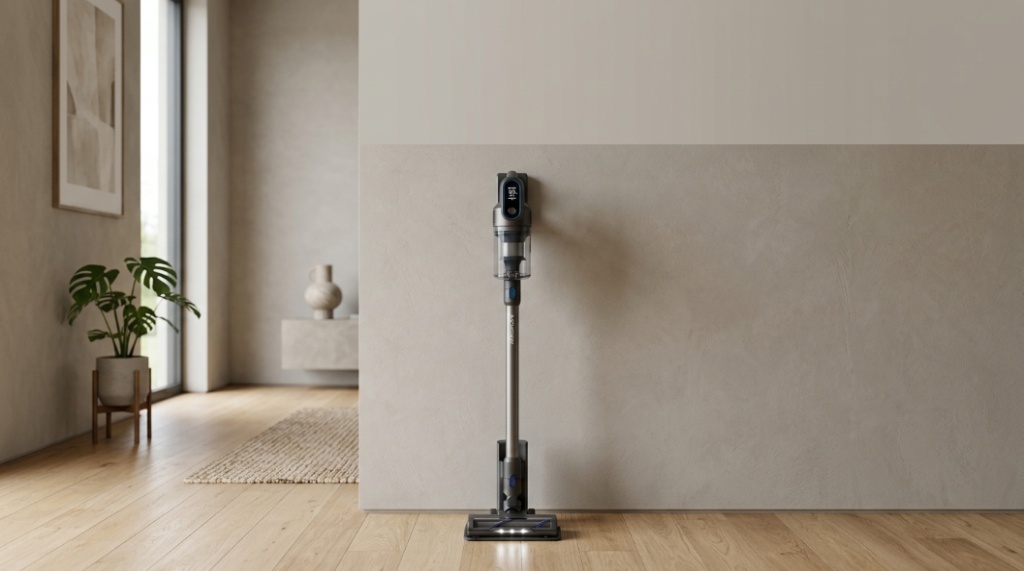
Most people think vacuum failure starts with a weak motor, but in reality, it often begins with a single strand of wrapped hair hidden deep inside the brush roll. That’s why unclogging vacuum hair has become one of the most searched cleaning frustrations among pet owners and households with long hair. The better solution is not constantly cutting tangled hair from rollers — it’s switching to a strong suction vacuum designed with anti-tangle technology, better airflow systems, and hair-resistant brush rolls.
Hair buildup inside vacuum heads reduces suction power, overheats motors, blocks airflow, and shortens the lifespan of the machine. According to multiple appliance repair surveys, hair clogs are among the top reasons homeowners replace vacuums earlier than expected. The problem gets worse in homes with pets, carpets, rugs, or family members with long hair.
If you are tired of manually removing tangled hair every few days, this guide explains what actually causes vacuum clogs, how modern strong suction vacuums solve the issue, and what features matter most before buying your next machine.
Why Does Hair Keep Clogging Vacuum Cleaners?
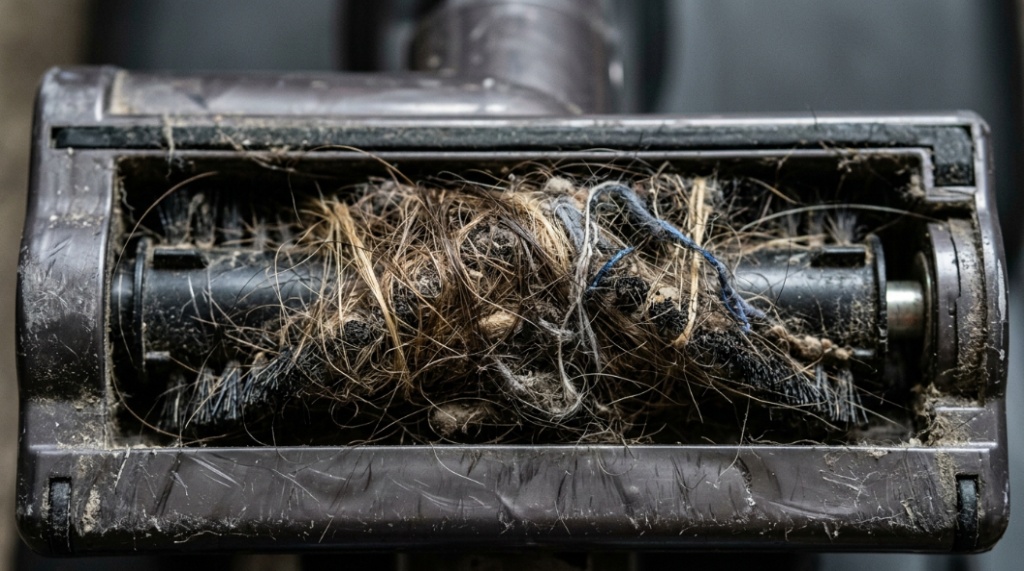
Hair clogs happen because traditional vacuum brush rolls trap strands faster than airflow can move them into the dustbin. Over time, tangled hair blocks suction channels and reduces cleaning performance.
Most older vacuums were designed for dust and crumbs, not heavy hair accumulation. Human hair and pet fur wrap tightly around rotating brush bars. Once enough hair builds up, it restricts movement and airflow.
Common causes include:
- Weak airflow systems
- Low-quality brush roll design
- Narrow air pathways
- Dirty filters
- Full dustbins
- Long carpet fibers trapping hair
- Lack of regular maintenance
Hair accumulation creates friction around the roller. This forces the motor to work harder. In severe cases, overheating can damage belts or internal components.
Homes with pets face an even bigger challenge. Dogs and cats can shed thousands of hairs daily depending on breed, season, and indoor environment.
What Types of Hair Cause the Worst Vacuum Clogs?
Long human hair and pet fur create the most severe tangles because they wrap tightly around rotating parts.
Common problem sources include:
- Long hair from bathrooms and bedrooms
- Dog undercoat shedding
- Cat fur embedded in carpets
- Carpet fibers mixing with hair
- Threads and fabric lint
High-pile rugs make the issue worse because hair becomes deeply embedded before vacuuming begins.
What Is the Better Solution for Unclogging Vacuum Hair?
The best solution is using a strong suction vacuum with anti-tangle brush technology instead of constantly cleaning traditional rollers manually.
Modern vacuums now include features specifically designed for hair-heavy households. These systems reduce hair wrapping before it becomes a clog.
The biggest improvements include:
- Anti-wrap brush rolls
- Self-cleaning rollers
- High-powered suction motors
- Wider airflow channels
- Cyclonic separation systems
- HEPA filtration
- Dual brush technologies
Instead of letting hair wrap endlessly around the roller, anti-tangle systems redirect strands directly into the dustbin.
This dramatically reduces maintenance time.
How Does Anti-Tangle Technology Work?
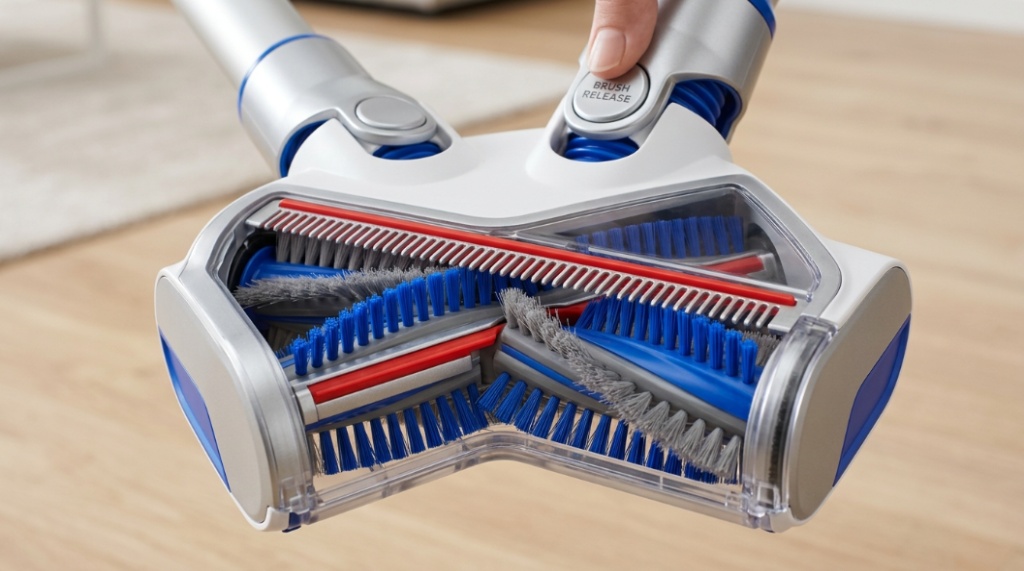
Anti-tangle technology uses angled bristles, comb attachments, or specially designed rollers to prevent hair from wrapping around moving parts.
Some premium vacuums use rubberized fins instead of traditional bristles. Others include internal combs that automatically slice hair off the brush roll during operation.
Popular technologies include:
- Self-cleaning brush systems
- Rubber fin rollers
- Dual anti-wrap brushes
- Hair detangling combs
- Cyclonic airflow separation
These innovations are especially useful for homes with pets or long-haired family members.
Why Is Strong Suction So Important for Hair Removal?
A strong suction vacuum lifts embedded hair from carpet fibers before it has time to wrap around the brush roll.
Weak suction leaves hair partially trapped inside carpets and rugs. That leftover hair then wraps around rollers repeatedly during future cleaning sessions.
High suction power helps:
- Pull hair directly into airflow channels
- Reduce repeated roller contact
- Clean deep carpet layers
- Prevent motor strain
- Improve dustbin efficiency
Strong suction becomes even more important on thick carpets and pet bedding.
How Much Suction Power Is Enough?
For hair-heavy homes, experts generally recommend vacuums with at least 150–250 air watts of suction for deep carpet cleaning.
Cordless stick vacuums may operate at lower air watt levels but compensate with optimized airflow and motorized brush systems.
Important factors include:
- Air watts
- Motor RPM
- Airflow efficiency
- Brush roll agitation
- Sealed suction systems
Raw power alone does not guarantee better performance. Airflow engineering matters equally.
Are Bagless Vacuums Better for Hair Clogs?
Bagless vacuums are usually better for monitoring hair buildup because users can easily see blockages and empty debris more frequently.
However, both bagged and bagless vacuums can clog if airflow systems are poorly designed.
| Feature | Bagless Vacuum | Bagged Vacuum |
|---|---|---|
| Easy clog visibility | Yes | No |
| Dust containment | Moderate | Excellent |
| Maintenance cost | Lower | Higher |
| Pet hair handling | Very good | Good |
| Filter cleaning frequency | Higher | Lower |
For homes dealing primarily with pet fur and long hair, modern bagless cyclonic vacuums often perform exceptionally well.
How Often Should You Remove Hair From a Vacuum Brush Roll?
Vacuum brush rolls should ideally be cleaned every 1–2 weeks in homes with pets or long hair.
Waiting too long allows tangles to harden around the roller, increasing motor strain.
Warning signs include:
- Loud vacuum noises
- Burning smell
- Reduced suction
- Brush roll stopping
- Hair visibly wrapped around the roller
Even anti-tangle vacuums benefit from occasional inspection.
What Is the Fastest Way to Remove Hair From a Vacuum?
The quickest method is using a seam ripper, cleaning hook, or built-in brush roll release system.
Steps:
- Turn off and unplug the vacuum
- Remove the brush roll
- Cut tangled hair carefully
- Pull debris away from bearings
- Wipe the roller clean
- Check airflow pathways
- Reinstall components
Modern detachable brush systems make this process much easier than older vacuum designs.
Do Cordless Vacuums Handle Hair Better Than Upright Vacuums?
Many modern cordless vacuums now outperform traditional uprights for daily hair removal because they use advanced motor technology and anti-tangle systems.
However, upright vacuums still excel in deep carpet cleaning for large homes.
| Feature | Cordless Vacuum | Upright Vacuum |
|---|---|---|
| Convenience | Excellent | Moderate |
| Deep carpet cleaning | Good | Excellent |
| Hair removal | Excellent | Excellent |
| Battery limitations | Yes | No |
| Weight | Lightweight | Heavier |
Cordless stick vacuums are especially effective for quick daily hair pickup on hard floors and low-pile rugs.
What Vacuum Features Matter Most for Pet Owners?
Pet owners should prioritize strong suction, HEPA filtration, sealed airflow systems, and anti-hair brush technology.
Pet fur creates fine airborne allergens in addition to visible shedding.
Important features include:
- HEPA filters
- Anti-tangle brush rolls
- Motorized pet tools
- Large dustbin capacity
- Sealed filtration systems
- High air watt suction
- Odor filtration
According to indoor air quality studies, pet dander can remain airborne for hours without proper filtration.
Why Does HEPA Filtration Matter?
HEPA filters trap microscopic allergens, pet dander, and dust particles that standard filters often recirculate into the air.
This improves:
- Indoor air quality
- Allergy control
- Respiratory comfort
- Dust management
Homes with pets and carpeting benefit significantly from sealed HEPA systems.
Can Robot Vacuums Prevent Hair Buildup?
Robot vacuums reduce overall hair accumulation by cleaning floors daily before heavy buildup occurs.
While they may not fully replace deep-cleaning vacuums, they help minimize tangles and carpet embedding.
Advanced robot vacuums now feature:
- Self-emptying docks
- Anti-tangle brushes
- LiDAR navigation
- Smart mapping
- Pet hair optimization modes
Daily automated cleaning prevents hair from reaching severe clog levels.
Are Robot Vacuums Good for Long Hair?
Some robot vacuums struggle with extremely long hair, but newer anti-wrap models perform much better than older versions.
Rubber brush rollers are typically more effective than bristle brushes for preventing tangles.
How Can You Prevent Vacuum Hair Clogs Completely?
You can dramatically reduce vacuum hair clogs by combining regular maintenance with the right cleaning habits.
Prevention strategies include:
- Vacuum more frequently
- Empty bins before overfilling
- Clean filters monthly
- Inspect brush rolls regularly
- Trim excessive hair buildup early
- Use proper carpet height settings
- Choose anti-tangle vacuum models
Simple maintenance prevents expensive repairs later.
Should You Vacuum Hair Daily?
In homes with pets or long-haired individuals, daily vacuuming helps prevent deep buildup and reduces roller tangles.
Small daily cleanups are easier on the vacuum than waiting for heavy accumulation.
What Are the Signs Your Vacuum Is Losing Suction?
Reduced pickup performance, louder motor noise, and overheating are the biggest signs of airflow blockage or suction loss.
Common symptoms include:
- Hair left behind after vacuuming
- Dust escaping from vents
- Brush roll stopping unexpectedly
- Vacuum feeling unusually hot
- Bad odors during cleaning
These issues usually point to:
- Hair blockages
- Dirty filters
- Clogged hoses
- Overfilled bins
- Damaged seals
Addressing the problem early extends vacuum lifespan significantly.
Conclusion
Hair-clogged vacuums are not just annoying — they reduce cleaning performance, strain motors, and shorten appliance lifespan. Constantly stopping to cut tangled hair from rollers wastes time and often signals that your vacuum is outdated for modern cleaning demands.
The better solution is upgrading to a strong suction vacuum built specifically for hair management. Features like anti-tangle brush rolls, cyclonic airflow systems, sealed HEPA filtration, and self-cleaning rollers dramatically reduce maintenance while improving overall cleaning performance.
If your current vacuum struggles with pet fur, long hair, or recurring blockages, the problem may not be your cleaning habits. It may simply be the wrong vacuum design for your home environment.
Choosing a vacuum optimized for hair removal saves time, improves air quality, protects carpets, and keeps your home cleaner with less effort. The right machine turns unclogging vacuum hair from a weekly frustration into a rare maintenance task.
Frequently Asked Questions
Why does my vacuum lose suction after picking up hair?
Hair often wraps around brush rolls and blocks airflow channels, reducing suction efficiency. Dirty filters and full dustbins can also contribute to suction loss.
What type of vacuum is best for pet hair?
A strong suction vacuum with anti-tangle brush technology, HEPA filtration, and sealed airflow systems is usually best for pet hair removal.
How do I stop hair from tangling in my vacuum brush?
Use vacuums with self-cleaning or anti-wrap brush rolls, clean the roller regularly, and vacuum frequently to prevent excessive buildup.
Can clogged vacuum hair damage the motor?
Yes. Severe hair clogs force the motor to work harder, which can lead to overheating, belt damage, or reduced motor lifespan.
How often should vacuum filters be cleaned?
Most washable filters should be cleaned monthly. Homes with pets may require more frequent maintenance depending on hair and dust levels.
Do robot vacuums work well for pet hair?
Modern robot vacuums with rubberized anti-tangle rollers perform well for daily pet hair maintenance, especially on hard floors and low-pile carpets.
Is cordless or upright better for long hair cleanup?
Cordless vacuums are excellent for convenience and daily hair pickup, while upright vacuums typically provide stronger deep-cleaning performance for thick carpets.
📌 Related Reads
Discover: How to Choose the Best PFD for Fishing (Avoid These Costly Mistakes)
Explore: How to Set Up a Golf Simulator at Home with the Right Laptop