
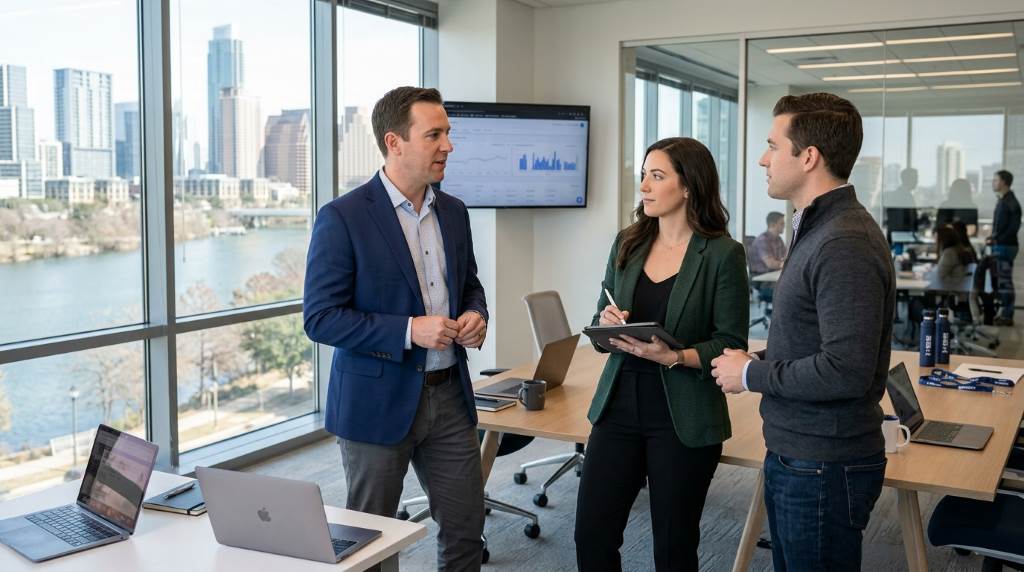
The tech industry in Austin, TX has grown by over 30% in the last decade, making it one of the most competitive job markets in the United States. First impressions still shape hiring decisions, even in casual startup cultures. Studies show that 55% of communication is non-verbal, and clothing plays a major role in that signal. Many job seekers wonder about specific choices like is black appropriate interview attire before walking into their first Austin tech interview. Understanding what to wear can give you a real edge in landing your dream role.
The Austin Tech Scene Has Its Own Dress Code
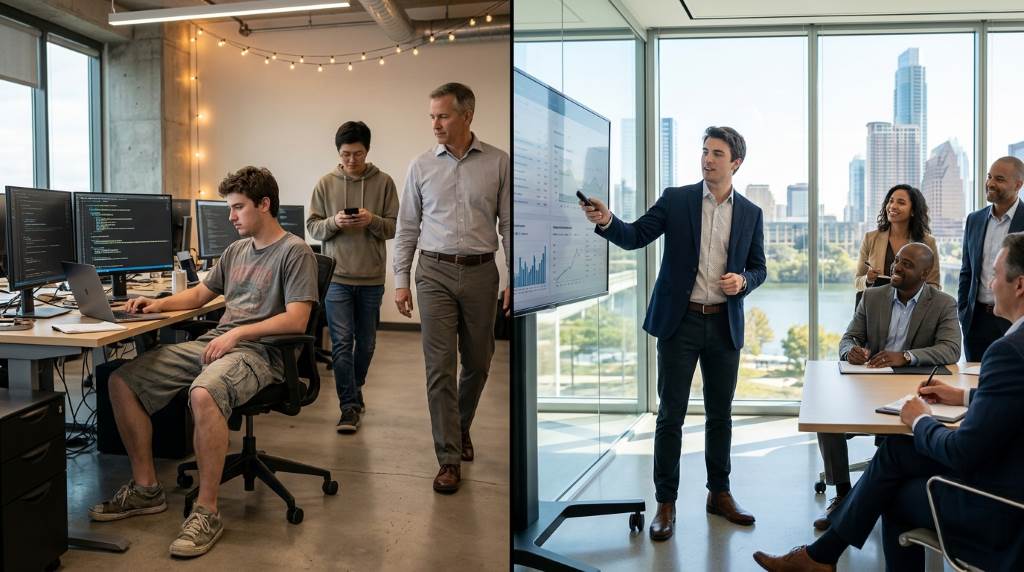
Austin’s tech culture blends Silicon Valley casual with Southern professionalism in a unique way. Companies like Dell, Apple, and Tesla have major offices here, each carrying different expectations for employee appearance. Startups along East Sixth Street may welcome hoodies, while enterprise tech firms in the Domain district often expect polished business casual. Knowing where you are interviewing helps you dress with intention and confidence.
Many candidates make the mistake of assuming all tech companies share the same relaxed culture. However, your attire still communicates how seriously you take the role. It also signals your awareness of professional environments and team dynamics. If you are exploring a new direction, understanding workplace culture early is part of choosing the right career path for your long-term growth.
Why Clothing Choices Affect More Than Just Looks
Professional attire influences how colleagues, hiring managers, and clients perceive your competence. Research from Princeton University found that people form lasting impressions within 100 milliseconds of meeting someone. That snap judgment is heavily influenced by visual cues, including your clothes. In a competitive market like Austin, those fractions of a second genuinely matter.
Dressing professionally also affects your own psychology and performance. Wearing polished clothes tends to boost confidence and sharpens your focus during interviews or presentations. This effect, known as “enclothed cognition,” has been studied extensively in behavioral psychology. When you feel put-together, you tend to communicate more clearly and assertively.
What “Business Casual” Actually Means in Austin Tech
Business casual is the most commonly recommended dress code for Austin tech interviews, but it means different things to different people. For men, this typically includes chinos or tailored trousers, a collared button-down shirt, and clean leather shoes. For women, this might mean a blouse with slacks, a midi skirt, or a structured dress in neutral tones. Avoid athletic wear, distressed denim, or overly loud prints in any interview setting.
Austin’s climate also plays a direct role in your clothing choices. Summers regularly exceed 100 degrees Fahrenheit, so breathable fabrics like cotton, linen blends, or moisture-wicking materials are smart picks. Layering a blazer over a lightweight shirt works well for moving between outdoor heat and aggressively air-conditioned office spaces. Always prioritize comfort alongside polish so you stay focused during the interview itself.
Seasonal Wardrobe Tips for Austin Interviews
- Spring (March to May): Light layers work best since mornings can be cool and afternoons warm up quickly.
- Summer (June to September): Choose breathable fabrics and avoid dark colors that absorb heat outdoors.
- Fall (October to November): A blazer or sport coat adds polish without being too heavy for the mild weather.
- Winter (December to February): Austin winters are short but can dip into the 30s, so a clean overcoat or wool blazer is appropriate.
The Hidden Professional Signal Most Candidates Miss
Here is a discussion that most career blogs skip entirely: the concept of “contextual dressing.” This means aligning your attire not just with the company culture but with the specific team and project you would be joining. A candidate interviewing for a client-facing solutions engineer role should dress slightly more formally than someone interviewing for a backend developer position. This shows situational awareness that goes beyond memorizing dress codes. Hiring managers notice when candidates demonstrate that level of thoughtfulness.
You can research team attire by reviewing LinkedIn profiles of current employees in similar roles. Attending local Austin tech meetups like Austin Tech Alliance events also gives you real-world exposure to how professionals in specific companies present themselves. This proactive research strategy separates average candidates from standout ones. Strong hiring decisions often come down to details, and understanding what makes hiring the right people a priority for companies helps you understand why first impressions are so carefully evaluated.
Reading the Room Before You Enter
- Research the company’s Instagram or LinkedIn page for photos from office events.
- Look at how employees present themselves in webinars or YouTube videos from the company.
- Check Glassdoor or Blind for culture reviews that mention dress code expectations.
- Email the recruiter politely asking about the dress code if you are genuinely unsure.
Grooming and Accessories as Part of Professional Attire
Clothing is only one piece of the professional appearance puzzle. Well-maintained grooming signals discipline and attention to detail, which are traits every tech employer values. Clean, styled hair, trimmed nails, and minimal fragrance all contribute to a positive overall impression. These elements complete the picture that your outfit begins.
Accessories should complement your outfit without drawing too much attention. A simple watch, a leather belt that matches your shoes, or small stud earrings all communicate understated professionalism. Avoid overly flashy jewelry, branded merchandise, or tech gadget accessories that may distract. The goal is for the interviewer to focus on your skills and personality, not your appearance.
Remote Interviews Still Require Professional Attire
Many Austin tech companies still conduct first-round interviews via video call. Even on camera, your attire shapes how the interviewer perceives your professionalism and commitment. Dress as you would for an in-person meeting from the waist up, and make sure your background is clean and well-lit. This attention to detail on video calls mirrors the care you would bring to the job itself.
Solid colors work best on camera since patterns can create visual noise on video. Navy, gray, burgundy, and soft blues tend to read well on most video conferencing setups. Avoid white, which can appear too bright, or neon colors, which distract from your face. Small adjustments like these show that you understand presentation as a professional tool.
Long-Term Career Benefits of Dressing Professionally
Professional attire is not just about getting the job. It continues to influence your career trajectory once you are hired. Studies have shown that employees who dress at or slightly above the company standard tend to receive more leadership opportunities over time. In Austin’s fast-moving tech sector, visibility and perception can accelerate your advancement significantly.
Dressing with intention also builds your personal brand within an organization. Colleagues and managers associate consistent professionalism with reliability and ambition. Over time, this association can open doors to high-visibility projects, client interactions, and mentorship relationships. Your wardrobe becomes a quiet but steady investment in your professional reputation.
Practical Checklist Before Your Austin Tech Interview
Use this quick checklist to make sure you are fully prepared on the attire front before your interview day.
- Confirm the company culture by researching their social media and employee reviews.
- Choose breathable, climate-appropriate fabrics that still look polished.
- Ensure your outfit is clean, pressed, and free of visible wear or damage.
- Select simple, professional accessories that complement rather than compete with your outfit.
- Plan your full look the night before so you are not rushing the morning of the interview.
Conclusion
Professional attire in Austin’s tech industry is a strategic tool that communicates confidence, awareness, and respect for the opportunity in front of you. The city’s unique blend of casual startup energy and enterprise-level professionalism means you need to read each company’s culture carefully. Dressing intentionally gives you a genuine advantage before you even say your first word. Take time to research, plan your outfit, and show up as the most polished version of yourself. If you are actively building your career and want more guidance on navigating new industries, exploring sports media career paths in college and other field-specific career advice can offer useful transferable insights on professional positioning from day one.
Frequently Asked Questions
Is business casual always safe for Austin tech interviews?
Yes, business casual is a reliable choice across most Austin tech companies unless the recruiter specifically tells you otherwise.
Should I wear a suit to a tech startup interview in Austin?
A full suit can feel overdressed for most startups, so a blazer with smart casual separates typically strikes the right balance.
What fabrics work best for Austin’s summer heat during interviews?
Breathable fabrics like cotton blends and linen work well because they keep you comfortable while still looking professional.
Do remote video interviews require the same dress standards as in-person ones?
Yes, dressing professionally from the waist up on video calls signals the same level of respect and preparation as an in-person meeting.
Can I wear sneakers to a tech interview in Austin?
Clean, minimal sneakers may be acceptable at very casual startups, but leather shoes or smart flats are the safer and more professional choice overall.