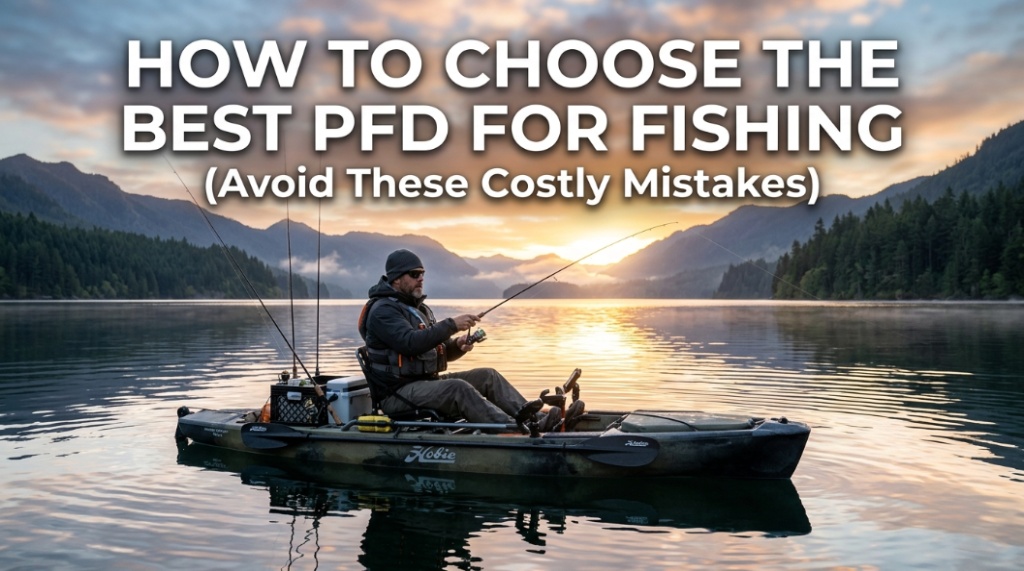
A USCG approved life jacket designed for anglers can save your life, improve comfort during long fishing trips, and reduce fatigue on the water. The best fishing safety vest balances buoyancy, mobility, weather protection, and storage without restricting casting or movement.
Why Is Choosing the Right PFD for Fishing So Important?
A properly fitted fishing PFD can prevent drowning, keep you visible in emergencies, and help you stay afloat even in rough water or cold conditions.
Every year, boating accidents claim hundreds of lives, and many fatalities involve people who were not wearing a life jacket. According to boating safety reports from the U.S. Coast Guard, the majority of drowning victims in recreational boating accidents were not wearing a flotation device.
Fishing creates unique risks compared to casual boating. Anglers move frequently, stand while casting, handle hooks and gear, and often fish in changing weather. A bulky or poorly fitted vest can interfere with movement, which is why many anglers avoid wearing one altogether.
That creates a dangerous cycle:
- Uncomfortable vest
- Angler removes it
- Unexpected accident occurs
- No flotation protection available
The right fishing PFD solves this problem by offering:
- Comfort for all-day wear
- Quick-access pockets
- Freedom of movement
- Reliable flotation
- USCG-certified safety protection
If you fish from a kayak, bass boat, canoe, pier, or offshore vessel, your PFD should match your fishing style and water conditions.
What Is a USCG Approved Life Jacket?
A USCG approved life jacket is a flotation device tested and certified by the U.S. Coast Guard to meet minimum buoyancy and safety standards.
Not every flotation vest qualifies as a legal boating safety device. A genuine USCG-approved model includes:
- Certification label
- Buoyancy rating
- Approved use category
- Manufacturer instructions
- Size and weight guidelines
Many anglers mistakenly buy cheap flotation vests online without checking certification. That can become a costly mistake during inspections, tournaments, or emergencies.
How Can You Verify If a Fishing Life Jacket Is USCG Approved?
Check the inside label for official U.S. Coast Guard approval information and performance specifications.
The label typically includes:
- USCG approval number
- Device type
- Buoyancy level
- Recommended user weight range
- Care instructions
If the vest lacks this information, avoid it.
What Type of Fishing PFD Is Best for Different Fishing Styles?
The best fishing PFD depends on where and how you fish. Kayak anglers, offshore fishermen, and casual lake anglers all need different features.
| Fishing Style | Best PFD Type | Key Features |
|---|---|---|
| Kayak Fishing | Low-profile kayak PFD | High back, mobility, ventilation |
| Bass Boat Fishing | Inflatable fishing PFD | Lightweight, minimal bulk |
| Offshore Fishing | Foam Type III or Type I | High buoyancy, visibility |
| Fly Fishing | Fishing vest hybrid | Storage pockets, mobility |
| Cold Water Fishing | Insulated flotation jacket | Thermal protection |
Are Inflatable Fishing Life Jackets Safe?
Inflatable fishing PFDs are safe when properly maintained and used according to manufacturer instructions.
Many experienced anglers prefer inflatable models because they:
- Reduce shoulder fatigue
- Allow easier casting
- Feel cooler in hot weather
- Offer excellent mobility
However, they are not ideal for:
- Non-swimmers
- Children
- High-impact water sports
- Very rough offshore conditions
You must regularly inspect the CO2 cartridge and inflation mechanism.
What Features Should You Look for in a Fishing Safety Vest?
The best fishing safety vest combines comfort, flotation, durability, and practical fishing-focused features.
Many buyers focus only on price. That usually leads to discomfort, poor fit, and reduced safety.
Which Fishing PFD Features Matter Most?
Prioritize fit, mobility, ventilation, storage, and buoyancy before appearance or brand.
- High-back design: Better for kayak seats
- Mesh ventilation: Reduces overheating
- Large arm openings: Improves casting motion
- Zippered pockets: Stores tackle and tools
- D-rings: Attaches pliers or accessories
- Reflective accents: Improves visibility
- Adjustable straps: Creates secure fit
Professional anglers often prioritize comfort because an uncomfortable vest usually ends up unused.
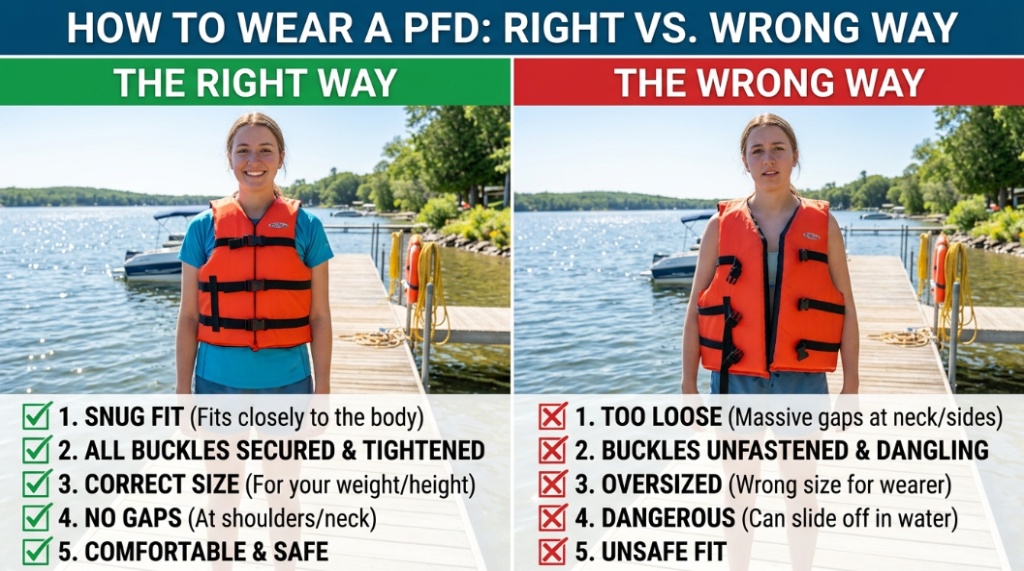
How Should a Fishing Life Jacket Fit?
A fishing PFD should fit snugly without restricting breathing or upper-body movement.
A loose life jacket can ride up in the water and fail to keep your airway above the surface.
How Do You Test Proper PFD Fit?
After tightening the straps, pull upward at the shoulders. The vest should stay secure and not move excessively.
Follow these fitting guidelines:
- The vest should not shift significantly
- Arm movement should remain unrestricted
- Zippers and buckles should close comfortably
- The vest should stay secure when seated
- No pressure points around neck or ribs
Layered winter clothing can affect sizing. Always test the PFD with the clothing you actually fish in.
What Are the Most Common Fishing PFD Mistakes?
The biggest fishing PFD mistakes include buying the wrong type, ignoring fit, choosing comfort over safety, and failing to maintain inflatable models.
These mistakes can become expensive or even life-threatening.
Mistake #1: Buying the Cheapest Option
Cheap vests often use poor-quality foam, weak stitching, and uncomfortable designs that discourage regular wear.
A quality PFD usually lasts for years with proper maintenance.
Mistake #2: Choosing the Wrong PFD Type
A bulky offshore vest may feel unbearable for kayak fishing, while an ultralight inflatable model may not suit rough ocean conditions.
Mistake #3: Ignoring USCG Certification
Some online listings advertise “life vest” or “flotation vest” without official certification.
Always verify USCG approval.
Mistake #4: Poor Maintenance
Saltwater, UV exposure, and moisture gradually weaken flotation materials and fabric integrity.
Inspect your vest regularly for:
- Torn seams
- Waterlogged foam
- Broken buckles
- Damaged zippers
- CO2 cartridge corrosion
Mistake #5: Removing the Vest While Fishing
Many accidents happen suddenly. Falling overboard often gives little time to locate and wear a life jacket.
The safest PFD is the one already on your body.
Which USCG Life Jacket Types Are Best for Fishing?
Type III and inflatable Type V life jackets are the most popular choices for recreational fishing.
| PFD Type | Best Use | Comfort Level | Buoyancy |
|---|---|---|---|
| Type I | Offshore survival | Low | Highest |
| Type II | Calm inland water | Moderate | Good |
| Type III | Fishing and recreation | High | Moderate |
| Type V | Specialized activities | Very High | Varies |
Why Do Most Anglers Prefer Type III PFDs?
Type III fishing vests offer the best balance of comfort, mobility, and safety for recreational anglers.
They are specifically designed for activities requiring arm movement and active participation.
What Is the Best PFD for Kayak Fishing?
The best kayak fishing PFD has a high-back design, breathable mesh, large arm openings, and multiple storage pockets.
Kayak anglers sit for extended periods, so traditional bulky vests often become uncomfortable.
What Makes Kayak Fishing PFDs Different?
Kayak-specific PFDs place flotation foam higher on the back to avoid interference with kayak seats.
Important kayak fishing features include:
- Short torso cut
- High-back flotation design
- Ventilation panels
- Attachment loops
- Knife tab compatibility
- Hydration pocket options
Many kayak anglers also prefer bright colors for visibility during low-light conditions.
Should You Choose Foam or Inflatable Fishing Life Jackets?
Foam fishing life jackets provide constant flotation, while inflatable models prioritize comfort and reduced bulk.
Both have advantages depending on your fishing environment and experience level.
Foam PFD Advantages
- Always buoyant
- No inflation mechanism required
- Better for rough water
- Lower maintenance
- Ideal for beginners
Inflatable PFD Advantages
- Extremely lightweight
- Better airflow
- Less restrictive
- Excellent for hot climates
- Preferred by tournament anglers
For many recreational anglers, comfort directly affects safety because comfortable gear gets worn consistently.
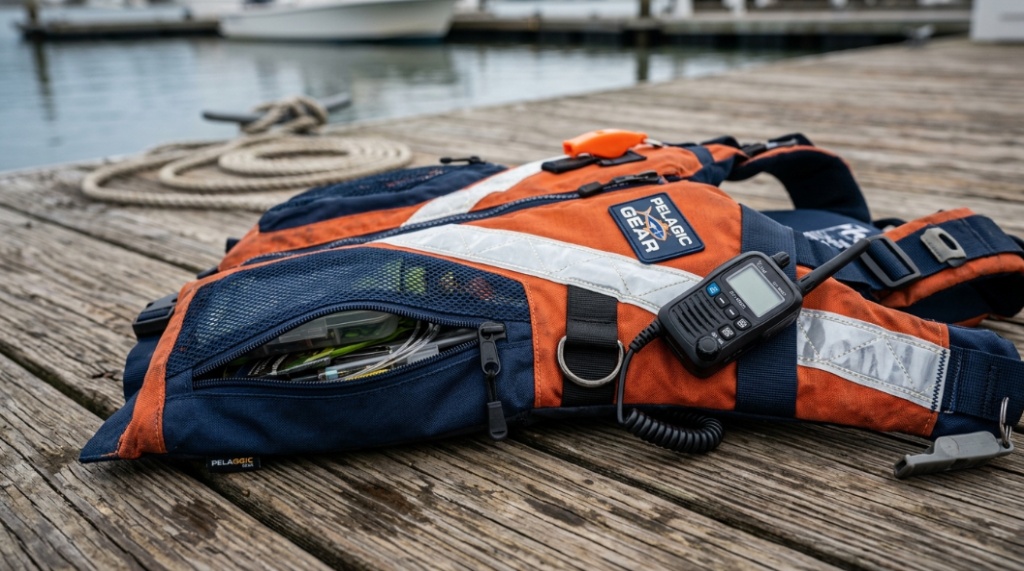
How Much Buoyancy Does a Fishing Safety Vest Need?
Most recreational fishing PFDs provide between 15.5 and 22 pounds of buoyancy depending on the design and intended use.
Heavier clothing, rough conditions, and offshore environments may require higher buoyancy.
What Factors Affect Buoyancy Requirements?
Body weight alone does not determine buoyancy needs.
Other factors include:
- Fishing environment
- Water temperature
- Swimming ability
- Weather conditions
- Gear weight
- Boat type
Cold-water anglers often need higher buoyancy because heavy clothing becomes waterlogged.
How Long Does a Fishing PFD Last?
A quality fishing PFD can last several years if properly maintained, cleaned, and stored.
However, exposure to sunlight, saltwater, and improper storage accelerates wear.
How Should You Maintain a Fishing Safety Vest?
Rinse the vest with fresh water after use, air dry completely, and store it away from direct sunlight.
Avoid:
- Machine washing
- Harsh detergents
- Compressing foam for long periods
- Leaving it wet inside compartments
Inflatable PFDs require additional inspection of cartridges and inflation systems.
What Are the Best Situations for Wearing a Fishing PFD?
You should wear a fishing PFD anytime you are on or near deep water, especially in changing weather, moving boats, or cold conditions.
Many experienced anglers wear life jackets at all times because accidents happen unexpectedly.
When Is Wearing a Fishing PFD Most Critical?
High-risk situations include:
- Night fishing
- Cold-water fishing
- Strong currents
- Solo fishing trips
- Kayak fishing
- Bad weather
- High-speed boating
Cold shock alone can incapacitate even strong swimmers within minutes.
Can a Fishing Vest Replace a Life Jacket?
No. A regular fishing vest with storage pockets is not automatically a certified flotation device.
Many traditional fishing vests provide organization but no emergency buoyancy.
Always verify flotation certification before relying on a vest for safety.
Conclusion: How Do You Choose the Best Fishing PFD?
The best fishing PFD is the one you will wear consistently every time you fish. A properly fitted USCG approved life jacket improves safety without sacrificing comfort, mobility, or performance.
Focus on:
- USCG certification
- Fishing-specific design
- Comfort during long sessions
- Proper fit
- Suitable buoyancy
- Durability and maintenance
Avoid the common mistake of treating safety gear as an afterthought. Whether you fish from a kayak, bass boat, canoe, or offshore vessel, the right fishing safety vest can make the difference between a close call and a tragedy.
Before your next fishing trip, inspect your current PFD carefully. If it no longer fits properly, lacks certification, or feels uncomfortable enough that you avoid wearing it, replacing it may be one of the smartest investments you make for your safety on the water.
Frequently Asked Questions About Fishing PFDs
What is the best type of life jacket for fishing?
Type III and inflatable Type V life jackets are generally considered the best options for fishing because they balance comfort, mobility, and flotation performance.
Do kayak anglers need special PFDs?
Yes. Kayak fishing PFDs usually feature high-back flotation panels, improved ventilation, and shorter torso designs for seated comfort.
How tight should a fishing life jacket fit?
A fishing life jacket should fit snugly without restricting breathing or arm movement. It should not ride up excessively when pulled at the shoulders.
Are inflatable fishing life jackets reliable?
Yes, inflatable fishing PFDs are reliable when properly maintained and regularly inspected. Always check the CO2 cartridge and inflation system before use.
Can you wear a fishing PFD all day comfortably?
Modern fishing PFDs are designed for extended wear and often include breathable mesh panels, lightweight materials, and ergonomic cuts for comfort.
What is the difference between a fishing vest and a fishing safety vest?
A regular fishing vest focuses on storage and organization, while a fishing safety vest includes certified flotation protection approved for water safety.
How often should you replace a fishing PFD?
Replace a fishing PFD if it shows damage, loses buoyancy, has broken hardware, or no longer fits properly. Regular inspections help identify wear early.
SEO-Optimized ALT Texts
- Angler wearing USCG approved fishing safety vest on kayak
- Comparison of foam and inflatable fishing life jackets
- Properly fitted fishing PFD for offshore and freshwater anglers
📌 Related Reads
Learn: How to Discover Unique Gift Ideas for Male Travelers
Read more about: How to Choose the Best Surf Rod Under $100 (2026 Guide)