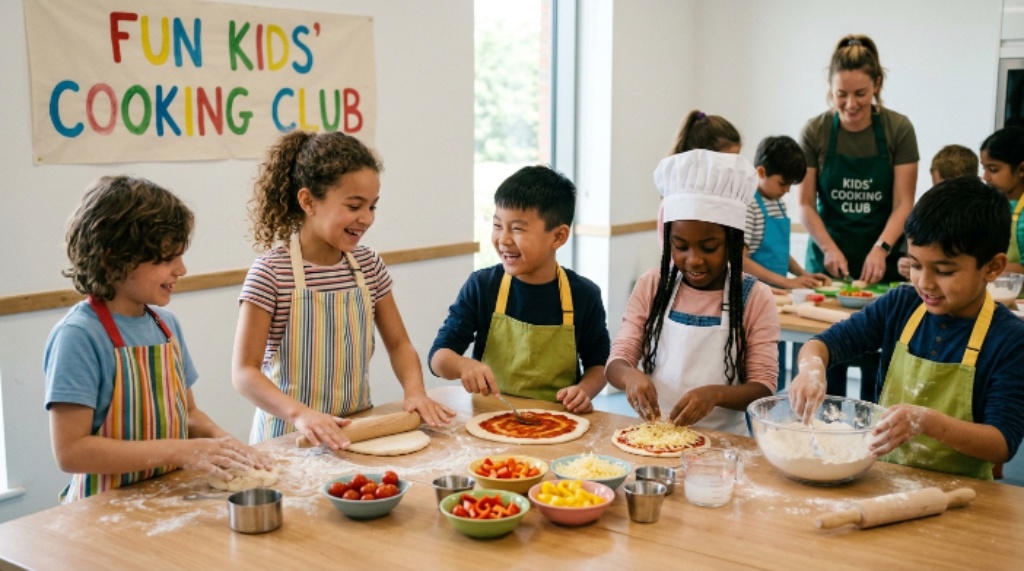
Helping children learn through fun activities builds confidence that lasts for years. A cooking club offers exciting experiences while teaching practical everyday skills. Studies found that more than 95% of children enjoyed structured after school cooking programs. Research also showed measurable improvements in cooking confidence and healthier eating habits after regular participation. Parents who find the right cooking club often notice stronger independence, creativity, and teamwork at home.
Why a Cooking Club Is Great for Kids
Cooking introduces children to useful life skills through enjoyable activities. Every session encourages curiosity while making learning feel natural.
Kids learn how to measure ingredients, follow directions, and solve simple problems. They also gain patience because every recipe requires careful attention.
Group cooking builds communication and teamwork from an early age. Children share responsibilities while celebrating their finished meals together.
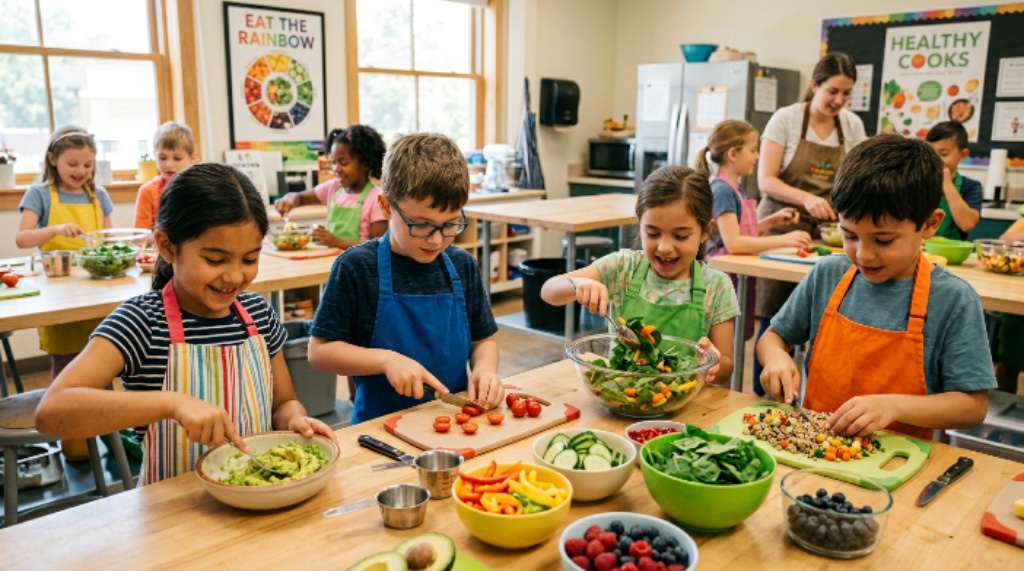
Regular cooking activities also encourage healthier food choices over time. Many children become more willing to taste unfamiliar fruits and vegetables after preparing them.
Benefits Beyond the Kitchen
A cooking club supports learning in several important ways. The lessons continue long after each class ends.
Children often develop these valuable skills:
- Better confidence through hands on success
- Improved reading while following recipes
- Stronger maths through measuring ingredients
- Greater responsibility during clean up
- Better communication with teammates
- More creativity through food decoration
- Increased independence at home
These abilities help children succeed both inside and outside school.
Signs of a High Quality Cooking Club
Choosing the right program requires more than checking the class schedule. Several important factors separate excellent clubs from average ones.
Experienced Instructors
Qualified instructors understand both cooking and child development. They explain techniques using simple language that children understand easily.
Patient teachers encourage questions throughout every lesson. Positive guidance helps children feel comfortable trying new skills.
Safe Learning Environment
Safety should remain the highest priority during every activity. Good clubs teach proper hand washing, food handling, and kitchen awareness from the beginning.
Children should use age appropriate tools under careful supervision. Clear safety rules allow everyone to enjoy cooking with confidence.
Small Class Sizes
Smaller groups provide better learning opportunities for every child. Instructors can give personal attention whenever someone needs extra help.
Children also receive more chances to participate throughout each session. Nobody feels overlooked during the activities.
How to Match a Club With Your Child
Every child enjoys learning differently. Finding the right match creates a much better experience.
Consider Your Child’s Age
Many clubs organise classes by age groups. Younger children usually enjoy simple recipes with colourful ingredients.
Older children often prefer more advanced cooking projects. They may also enjoy learning baking, international dishes, or meal preparation.
Think About Personal Interests
Some children love baking sweet treats every week. Others become excited about making healthy snacks or family dinners.
Ask your child what foods they enjoy preparing most. Their interests can guide your decision.
Check the Weekly Schedule
Busy family routines require flexible planning. Select a club that fits comfortably into your weekly calendar.
Consistent attendance helps children build stronger cooking skills. Regular practice creates lasting confidence.
Questions Every Parent Should Ask
Speaking with the club organiser helps avoid surprises later. Good programs welcome thoughtful questions from parents.
Ask about these important details:
- What age groups does the club serve?
- How many children join each class?
- What safety procedures are followed?
- Are food allergies carefully managed?
- What recipes do children prepare?
- Can parents observe special sessions?
- Does every child participate equally?
These answers provide a clear picture before enrolment.
What Kids Usually Learn
Cooking clubs offer much more than simple recipes. Lessons gradually build practical knowledge each week.
Children commonly learn:
- Basic knife safety with child friendly tools
- Proper food hygiene habits
- Measuring liquids and dry ingredients
- Reading recipe instructions
- Mixing and baking techniques
- Kitchen organisation
- Healthy meal planning
- Food presentation
Each new skill supports future cooking success.
Making Learning Fun
The best cooking clubs combine education with entertainment. Children stay engaged because every activity feels exciting.
Friendly competitions add extra motivation without creating unnecessary pressure. Small achievements encourage children to keep improving.
Seasonal recipes also keep classes fresh throughout the year. Holiday treats and themed meals create memorable experiences.
Creative decorating projects allow children to express their personalities. Every finished dish becomes something they proudly share.
Supporting Learning at Home
Parents play an important role after every cooking session. Simple encouragement helps children remember new skills.
Invite your child to help prepare family meals each week. Even small responsibilities build confidence through regular practice.
Celebrate effort instead of expecting perfect results. Mistakes often become valuable learning opportunities.
Allow children to explain recipes in their own words. Teaching others reinforces what they already learned.
Cooking Clubs and Healthy Habits
Children often become more interested in nutritious foods after preparing them personally. Hands on experience reduces fear of unfamiliar ingredients.
Cooking also teaches balanced meal choices in practical ways. Kids understand how different foods work together on a plate.
Preparing meals encourages appreciation for fresh ingredients. Many families notice fewer struggles during mealtime after joining a cooking club.
Healthy habits developed during childhood often continue into adulthood. Early cooking experiences support long term wellbeing.
Skills That Last for Life
Cooking remains useful throughout every stage of life. Children who learn early often become confident adults in the kitchen.
Problem solving improves because recipes require careful thinking. Small adjustments teach flexibility when unexpected situations happen.
Time management also becomes stronger through meal preparation. Children learn how to organise tasks in the correct order.
Responsibility grows naturally while caring for ingredients and equipment. These lessons extend into school and everyday life.
Common Mistakes to Avoid
Parents sometimes focus only on advanced cooking skills. Young children benefit more from enjoyable learning than perfect results.
Avoid selecting programs that feel overly competitive. Supportive environments encourage greater confidence and participation.
Do not overlook safety policies before registration. Well organised clubs clearly explain their procedures.
Another mistake involves expecting immediate expertise. Cooking skills develop gradually through consistent practice and encouragement.
How to Know Your Child Enjoys the Club
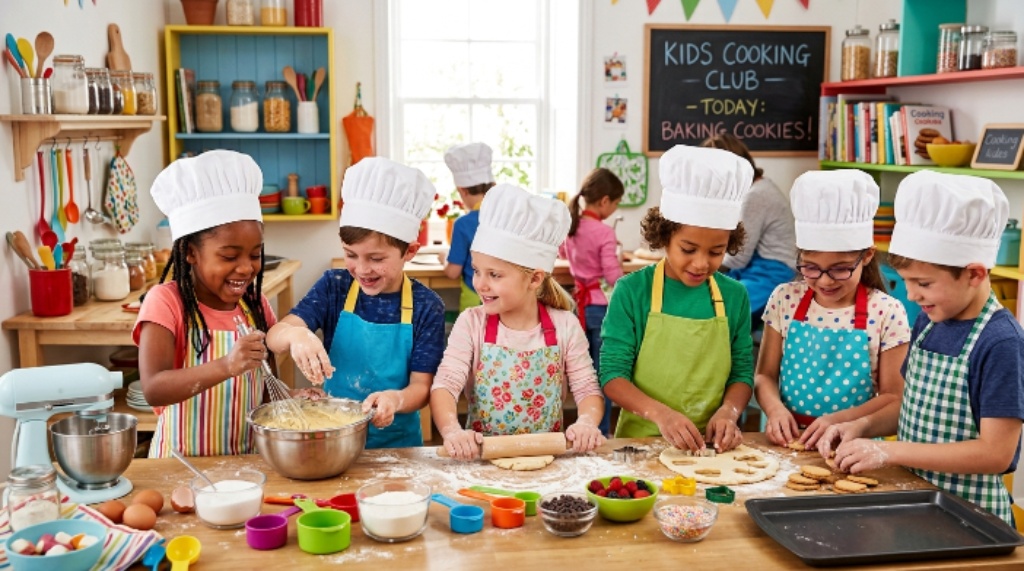
Children usually show excitement before each class begins. They often discuss recipes during family conversations afterward.
Many ask to recreate favourite dishes at home. That enthusiasm reflects genuine learning and confidence.
Parents may also notice growing independence during meal preparation. Small improvements appear naturally with continued participation.
Positive friendships often develop through shared cooking activities. These social connections add even more value.
Final Thoughts
Finding a Fun Cooking Club for Kids can create lasting benefits that reach far beyond the kitchen. The right program builds confidence, teaches valuable life skills, and encourages healthier habits through enjoyable experiences. Take time to compare different clubs, ask thoughtful questions, and involve your child in the decision. Enrol today and help your child discover the joy of learning through cooking.
FAQs
What is the best age to join a cooking club?
Most children can begin simple cooking activities between ages five and seven with proper supervision.
How often should children attend cooking classes?
One class each week provides consistent learning without becoming overwhelming.
Are cooking clubs safe for young children?
Yes, quality clubs use age appropriate equipment and closely supervise every activity.
Can cooking clubs help picky eaters?
Yes, many children become more willing to try foods they prepare themselves.
What should children bring to a cooking club?
Most clubs only require comfortable clothing and closed toe shoes unless stated otherwise.